CAC News
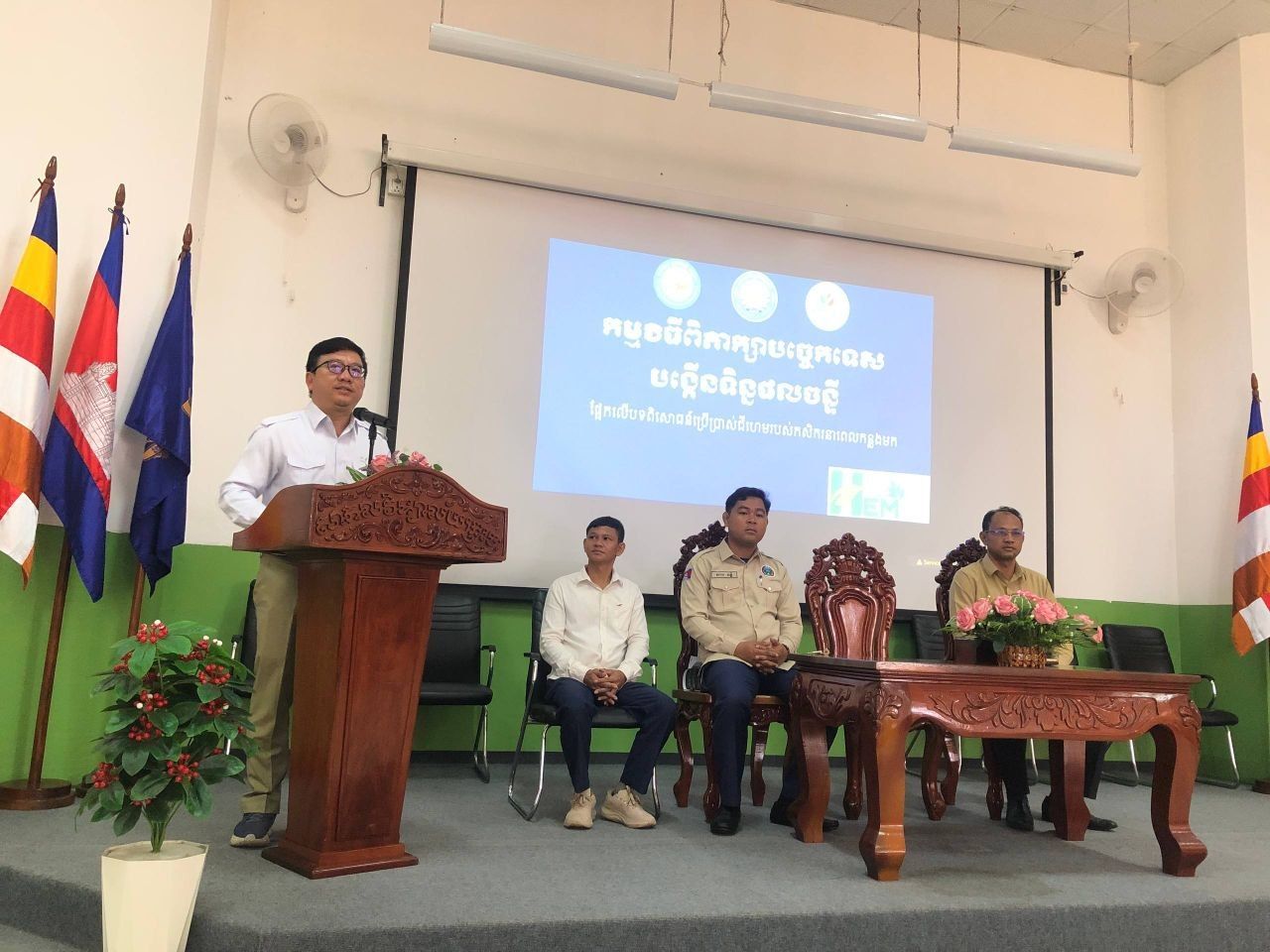
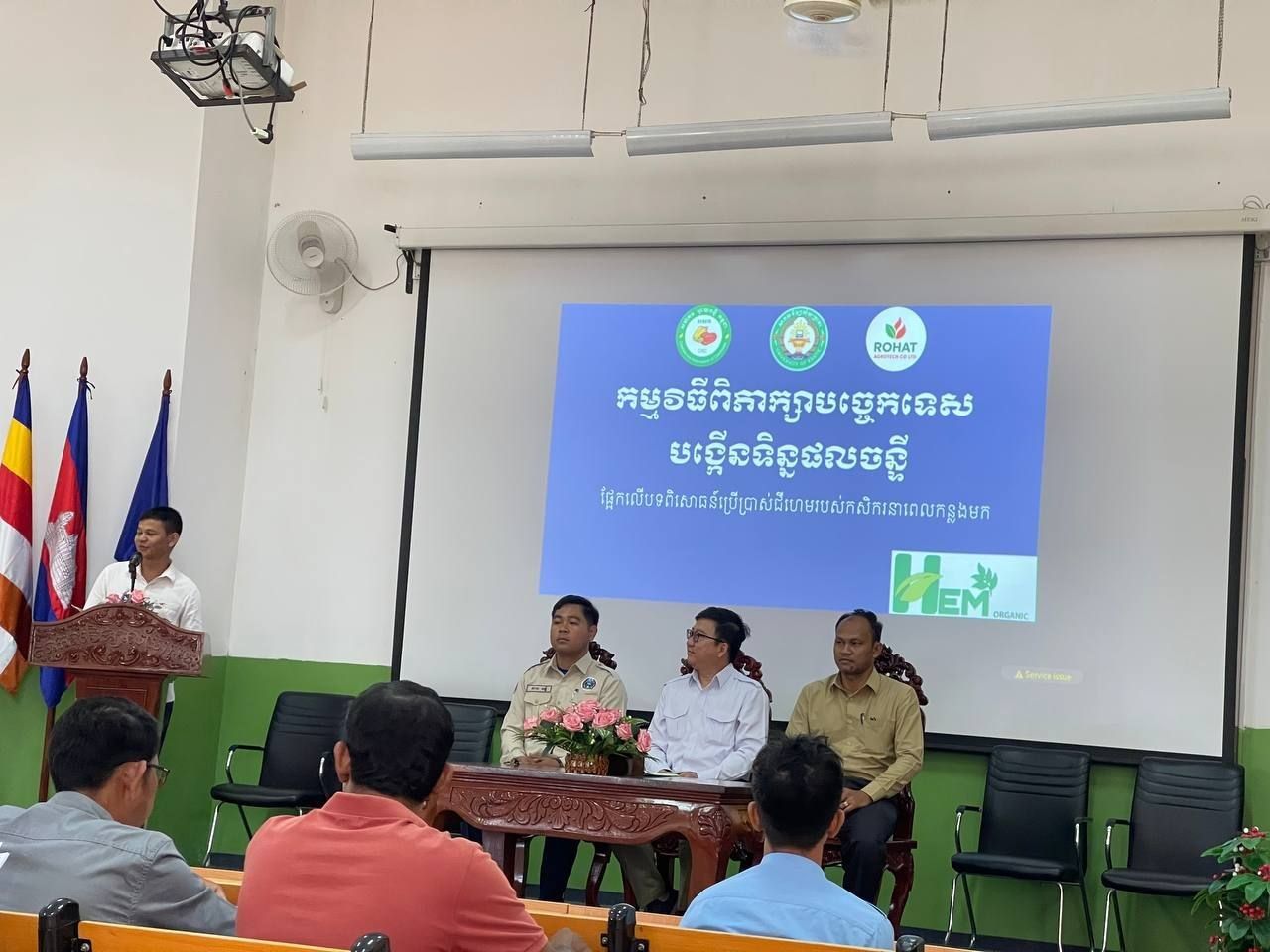
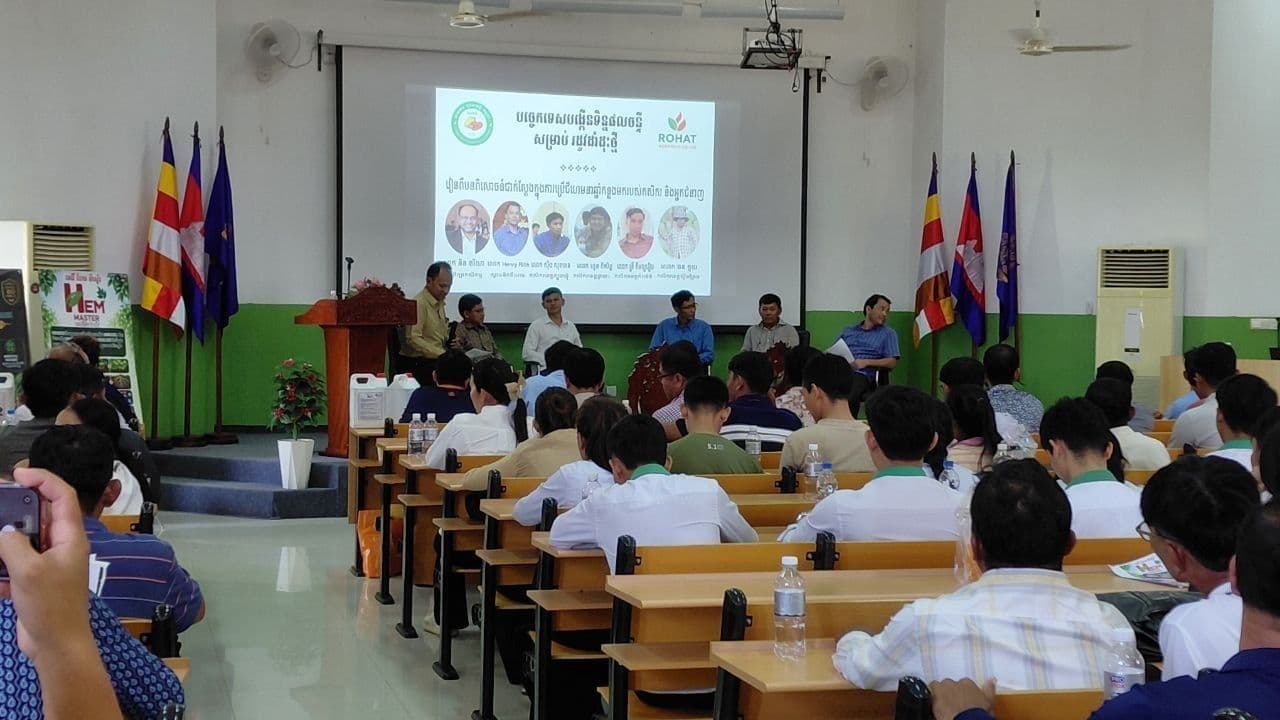
KRATIE, August 16, 2026 — The Kratie Provincial Branch of the Cashew nut Association of Cambodia (CAC) organized a discussion on cashew tree care and climate preparedness in anticipation of the potential impacts of a coming Super El Niño, combined with a field study visit and direct experience-sharing among farmers. There are 95 participant from four neighboring provinces.
The event focused on practical measures to help cashew farmers maintain productivity and prepare their farms for changing weather conditions. Participants discussed key factors for success in agriculture, including timely farm operations, effective pest management, adequate nutrient application, and proper consideration of natural and soil conditions.
Farmers Urged to Prepare for Climate Impacts
The discussion highlighted several potential climate-related challenges that farmers should anticipate. These include rapid shoot growth, changes in disease pressure, increased pest activity, and greater competition from weeds for available nutrients.
Farmers were encouraged to provide crops with sufficient nutrients while regularly monitoring the condition of their cashew trees. Participants emphasized the importance of conducting field inspections at appropriate times, particularly before 9:00 a.m., when weather conditions can provide better opportunities for assessing crop and pest conditions.
The timing of pesticide and other agricultural-input applications was also discussed. Farmers were advised to avoid spraying between 12:00 p.m. and 3:00 p.m., when high temperatures can reduce application effectiveness.
Focus on Efficient and Responsible Farm Management
The discussion also raised several questions for farmers to consider when planning crop protection and farm-management activities.
At temperatures above 32°C, the effectiveness of some agricultural applications may decline. Participants also discussed the potential for excessive or inappropriate use of toxic substances to contribute to increased pest resistance, making pest management more difficult over time.
Farmers were therefore encouraged to carefully assess whether the timing, method and budget allocated for each application are appropriate. Atmospheric humidity and soil moisture should also be taken into account when making decisions about crop care and agricultural inputs.
CAC Highlights Long-Term Commitment to Farmers
The CAC said its leadership structure is active across all 11 provincial and municipal branches and has been working to strengthen Cambodia's cashew sector since 2009.
The CAC said it develops annual and monthly plans and works to translate those plans into practical activities in the field. According to the CAC, these continued efforts have contributed to increasing cashew yields year after year, while raw cashew nut prices have remained relatively stable since 2024.
However, the CAC emphasized that it does not claim sole credit for the positive developments in Cambodia's cashew sector.
The CAC said its primary objective is to support farmers and help ensure that they can continue benefiting from the industry over the long term. The CAC also noted that its members and leaders are themselves involved in cashew farming and the private sector.
The CAC expressed its appreciation to the leadership of the CAC Kratie Provincial Branch for organizing the event and providing farmers with an opportunity to learn, exchange experiences and strengthen their preparedness for climate-related challenges.
The CAC further noted that its leaders at all levels work on a voluntary basis without salaries, while maintaining their own farms and businesses as members of Cambodia's private sector.
The CAC said continued cooperation among farmers, private-sector stakeholders and industry organizations will be essential to strengthening Cambodia's cashew sector and improving farmers' resilience in the face of changing climate conditions.