CAC News
Escalating tensions in the Middle East over the past three weeks have introduced significant uncertainty into global trade flows, impacting export activities across a range of commodities, including cashew kernels, desiccated coconut and pepper from Vietnam.
Industry sources report that the geopolitical situation is affecting not only logistics and financing but also pricing dynamics, creating a complex environment for exporters and buyers alike.
Prices Rise Amid Cost Pressures and Supply Constraints
Despite sluggish market demand, cashew kernel prices have shown an upward trend. The increase is primarily driven by higher input costs, particularly for packaging materials and domestic transportation within Vietnam.
Larger kernel grades, such as W180 and W210, have also seen notable price increases. These grades depend heavily on raw cashew nut supplies from Cambodia. Market participants attribute the price rise to delayed factory operations following the extended Lunar New Year holiday, which led to a temporary supply gap.
As processing plants resumed operations, simultaneous buying activity from multiple buyers created short-term pressure on available stocks, further pushing prices upward.
Weather Concerns Support New Crop Prices
In both Vietnam and Cambodia, early reports suggest that adverse weather conditions, including flower burn, have affected cashew crop development in several regions. Expectations of reduced output are adding additional support to prices, even as overall demand remains relatively weak.
Logistics Disruptions Intensify Trade Challenges
Shipping disruptions have emerged as a major concern, particularly for cargo destined for the Middle East. Many ports in the region are temporarily closed, with only limited operations continuing under special arrangements.
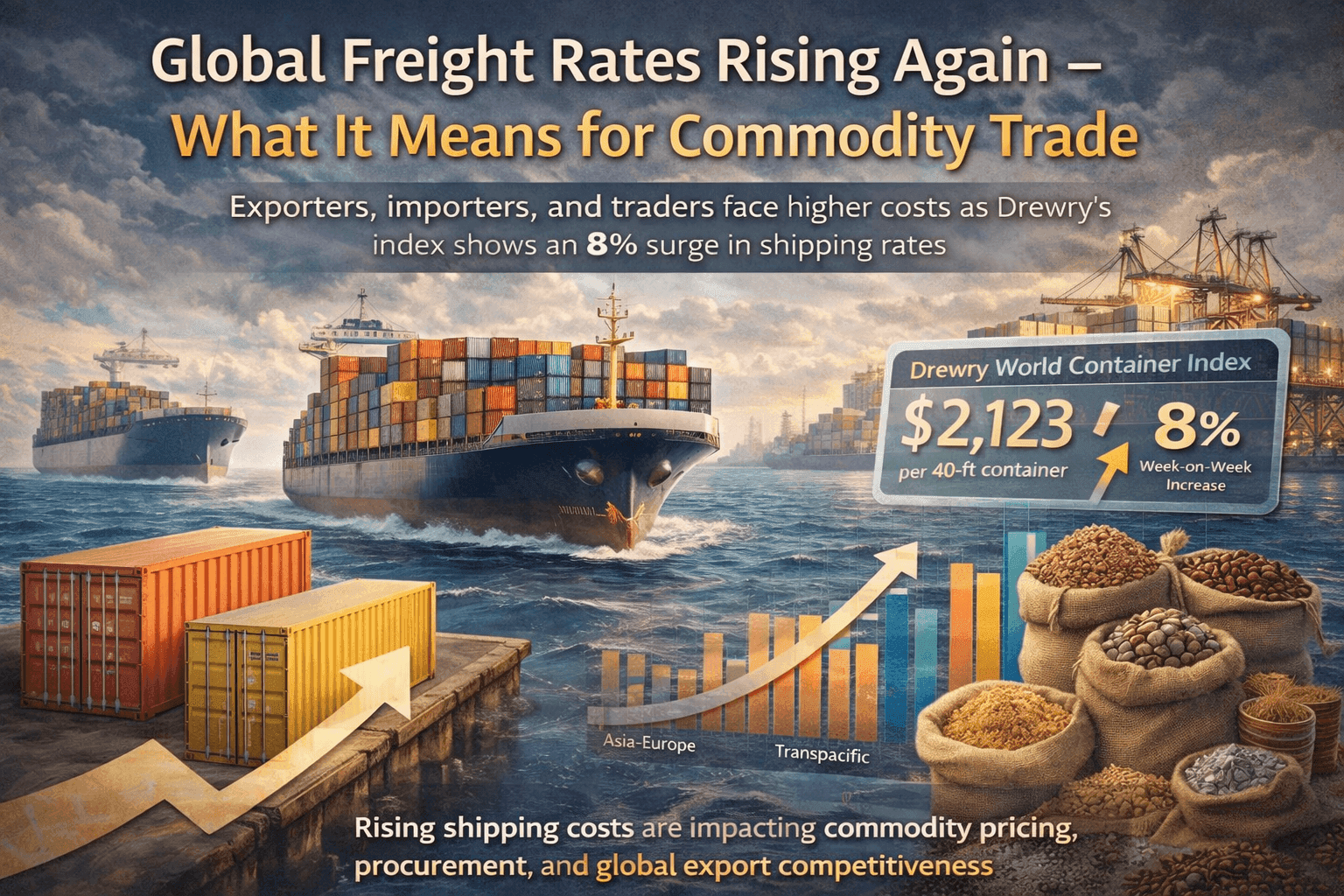
Freight costs have surged sharply, increasing by approximately $2,000 to $3,000 per booking. In addition, shipments passing through or near conflict zones are subject to War Risk Surcharges (WRS) ranging from $1,000 to $2,000 per booking, significantly raising overall transportation costs.
Financing Tightens for Middle East Trade
The financial environment for exports to the Middle East has also become more restrictive. Vietnamese banks are tightening or limiting trade financing for shipments to the region, making it more difficult for exporters to secure funding.
As a result, many processing factories are becoming cautious. Some are refraining from offering products to Middle Eastern buyers, while others are requiring higher upfront payments, with deposits of at least 35% now common to mitigate financial risk.
Cambodia’s Role in Supply Chain Remains Critical
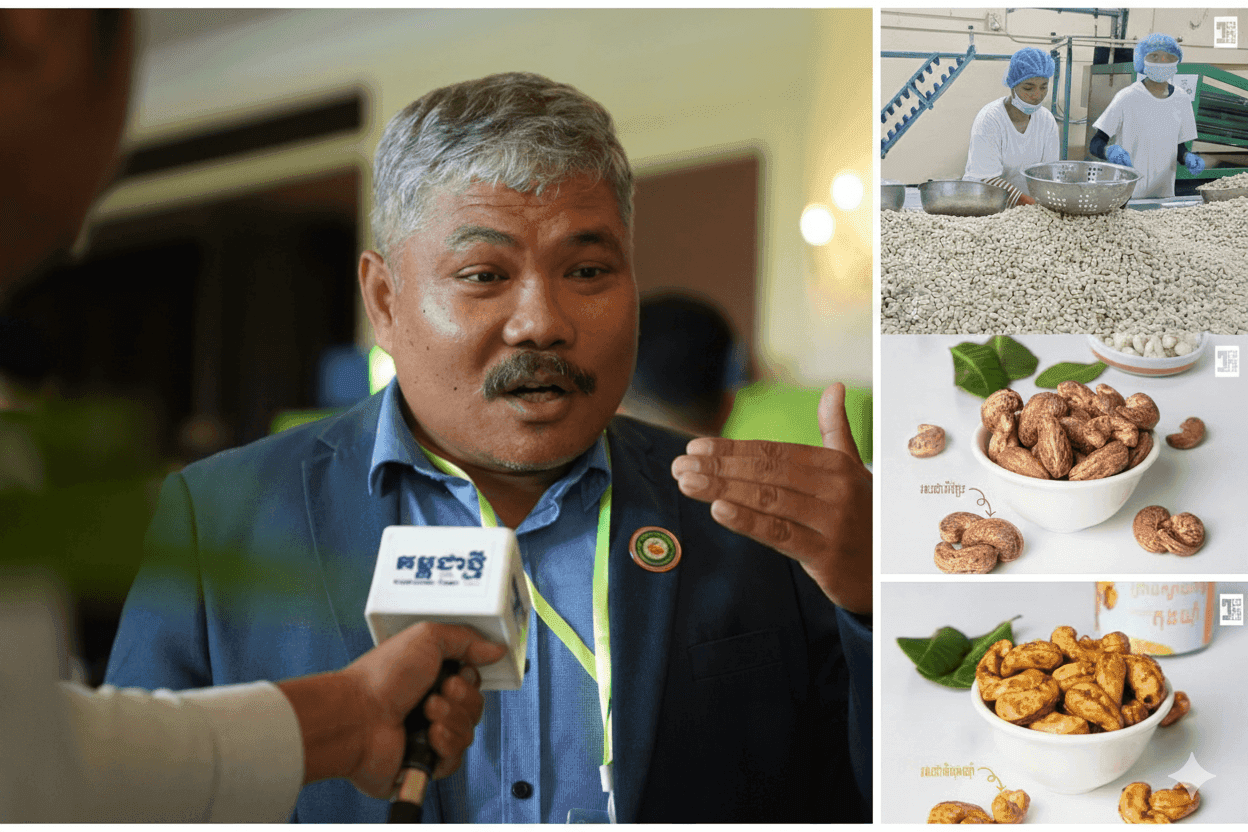
Cambodia continues to play a vital role in supplying raw cashew nuts to Vietnam, particularly the M23 variety used for producing popular kernel grades such as W160, W180, and W240.
However, domestic processing in Cambodia remains limited, accounting for less than 5% of total output. This reinforces Vietnam’s reliance on imported raw materials and highlights the interconnected nature of the regional cashew supply chain.
Uncertain Outlook for Trade
With geopolitical tensions, rising costs, and supply uncertainties converging, the outlook for the cashew trade remains uncertain. While prices are currently supported by supply-side pressures, ongoing disruptions in logistics and financing could continue to reshape trade patterns in the near term.
Reference Agri Nut Vietnam Trading