CAC News
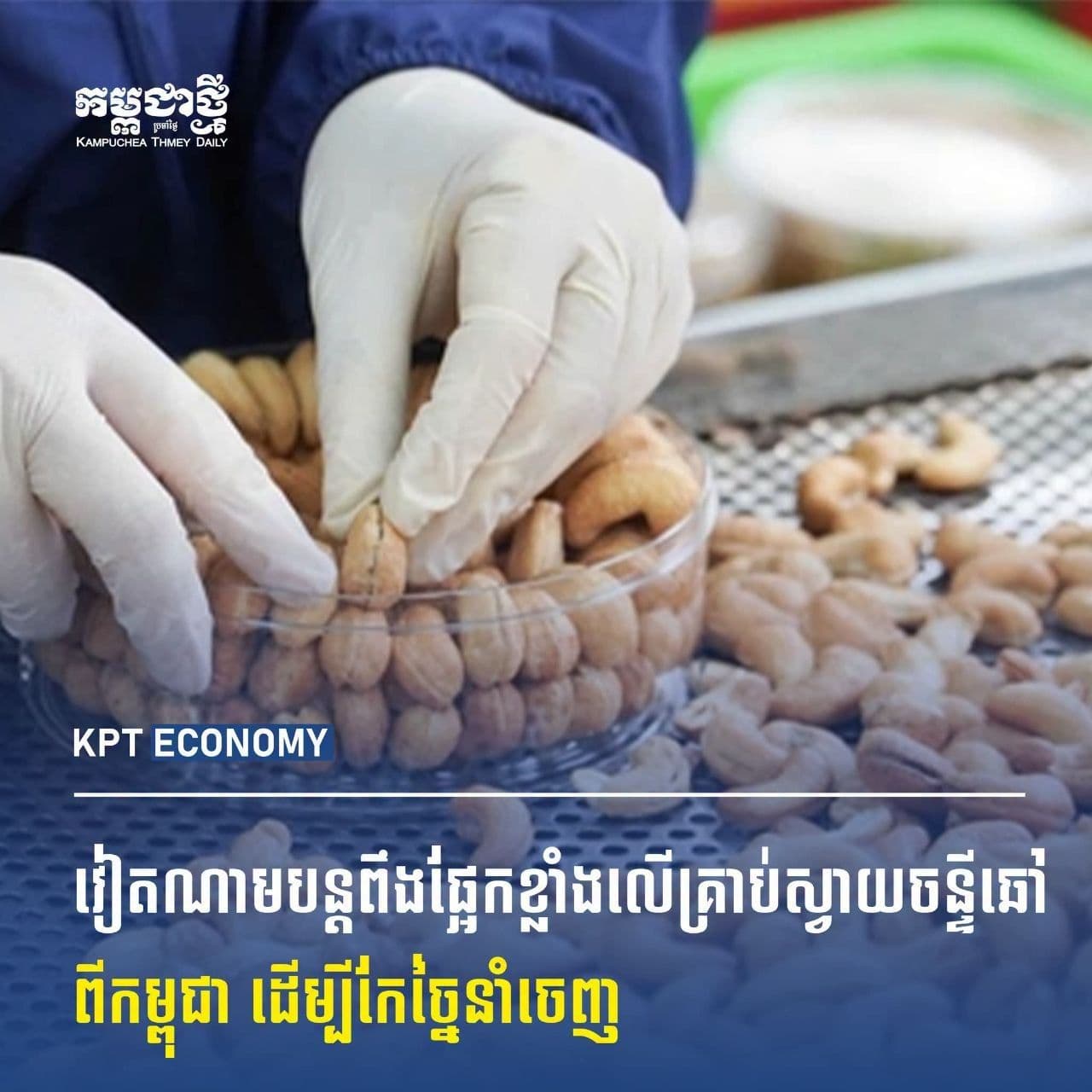
HCM, Vietnam — Vietnam's position as the world's leading cashew processor and exporter has been built on decades of investment in processing technology, quality control, supply-chain management, and international market expertise. However, industry specialists say the country's dominance could face growing challenges as producing countries increasingly seek to process more cashew nuts at origin.
Vietnam's competitive advantage stems largely from its highly developed processing ecosystem. Although the country imports substantial volumes of raw cashew nuts (RCN), Vietnamese processors have built extensive expertise in processing technology, quality management, yield optimization, and large-scale production.
The industry is also benefiting from changing consumer preferences. Rising demand for healthier and plant-based foods is expanding the use of cashews in vegan products, plant-based milk, healthy snacks, and premium food ingredients. These trends are expected to support global cashew consumption over the coming decade.
Vietnam's flexible processing and distribution network is another major strength. Its processors can supply a wide range of products, from premium whole kernels to broken grades for industrial use, serving buyers across the United States, Europe, the Middle East, and Asia.
However, the country's heavy reliance on imported raw materials is raising questions about the sustainability of its model.
Jim Fitzpatrick, a leading cashew specialist, has argued that Vietnam's dependence on imported RCN has become a vulnerability. He estimates that imports accounted for about 89% of Vietnam's raw cashew requirements in 2025, exposing processors to rising raw-material costs, higher export-related taxes, and increasing demands for traceability and transparency in producing countries.
Fitzpatrick argues that processing cashews closer to their origin could become increasingly attractive because it can reduce costs, improve traceability, and respond more directly to consumer and regulatory demands. Under this scenario, producing countries with sufficient raw-material supplies could capture a larger share of the value currently generated by overseas processing.
Nevertheless, Silot Uon, President of the Cashew Nut Association of Cambodia (CAC), remains optimistic about Vietnam's position as the global center of cashew processing. He expects Vietnam to continue processing close to 80% of the world's cashew kernels over the next decade, supported by its established technology, expertise, infrastructure, and global buyer network.
Cambodia is particularly important to Vietnam's supply chain. According to Silot, Cambodia accounts for approximately 54% of Vietnam's imported raw cashew nut supply, making the country one of Vietnam's most important sources of RCN.
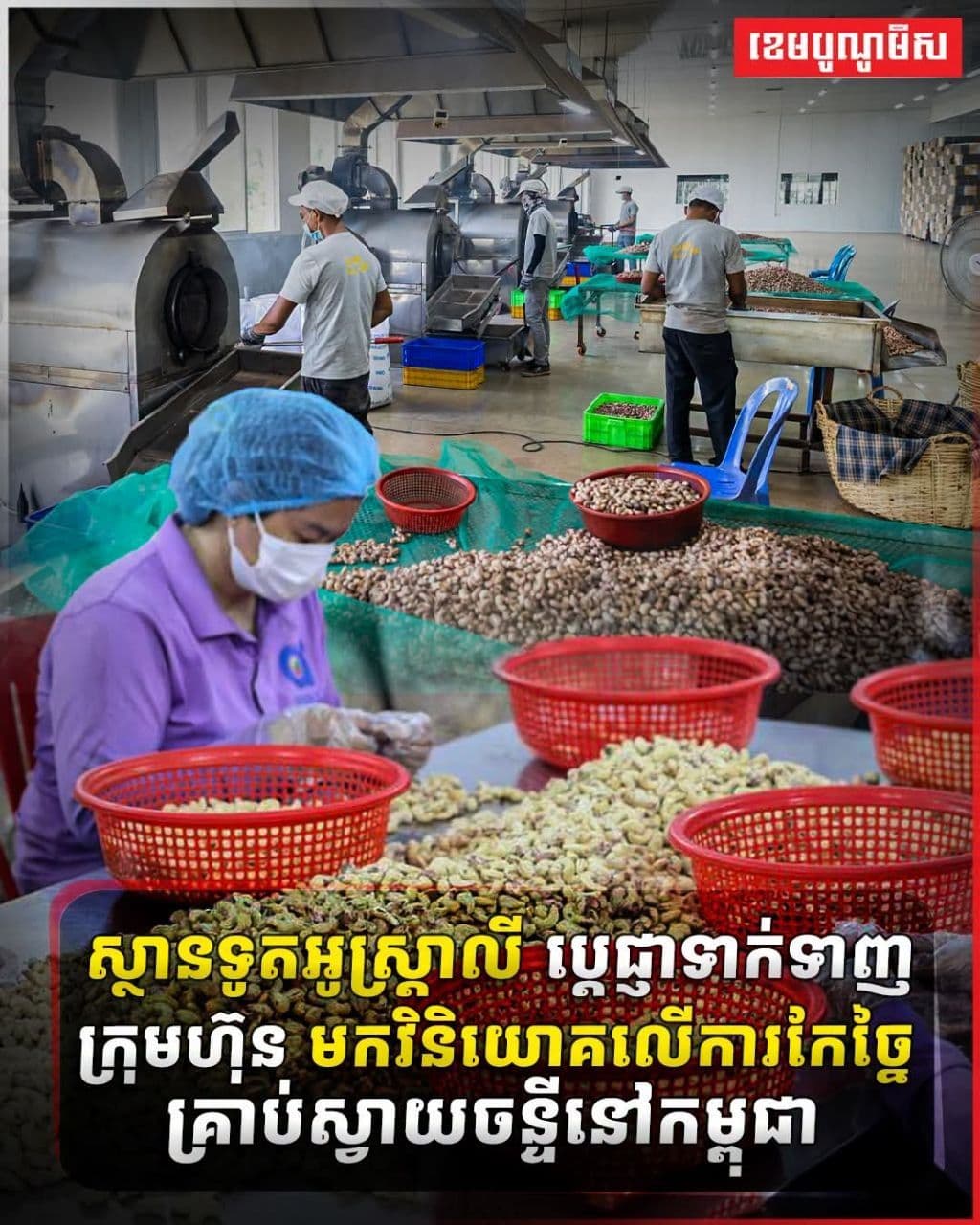
Cambodia's limited domestic processing capacity means that a significant share of its raw cashew production continues to cross the border for processing in Vietnam. This has helped sustain Vietnam's position as the world's dominant processing hub while highlighting the opportunities available to Cambodia to develop more value-added processing domestically.
The contrasting views point to a broader transformation underway in the global cashew industry. Vietnam's processing model remains highly competitive, but producing countries are increasingly looking to retain more value by developing processing facilities closer to farms and sources of raw materials.
Ultimately, the future of the global cashew industry may depend not simply on who controls the largest supply of raw nuts, but on who can combine competitive processing costs, quality, traceability, technology, and access to international markets.
For Vietnam, maintaining its leadership will require continued investment and adaptation. For Cambodia and other producing countries, the shift toward origin-based processing could provide an opportunity to capture a larger share of the global cashew value chain.