
CAC News
DAR ES SALAAM, Tanzania — The Cashew Nut Association of Cambodia (CAC) will send two representatives to participate in the World Cashew Conference (WCC) in Dar es Salaam, Tanzania, providing CAC with an opportunity to strengthen international relationships and gain further insight into the cashew industry in East Africa.
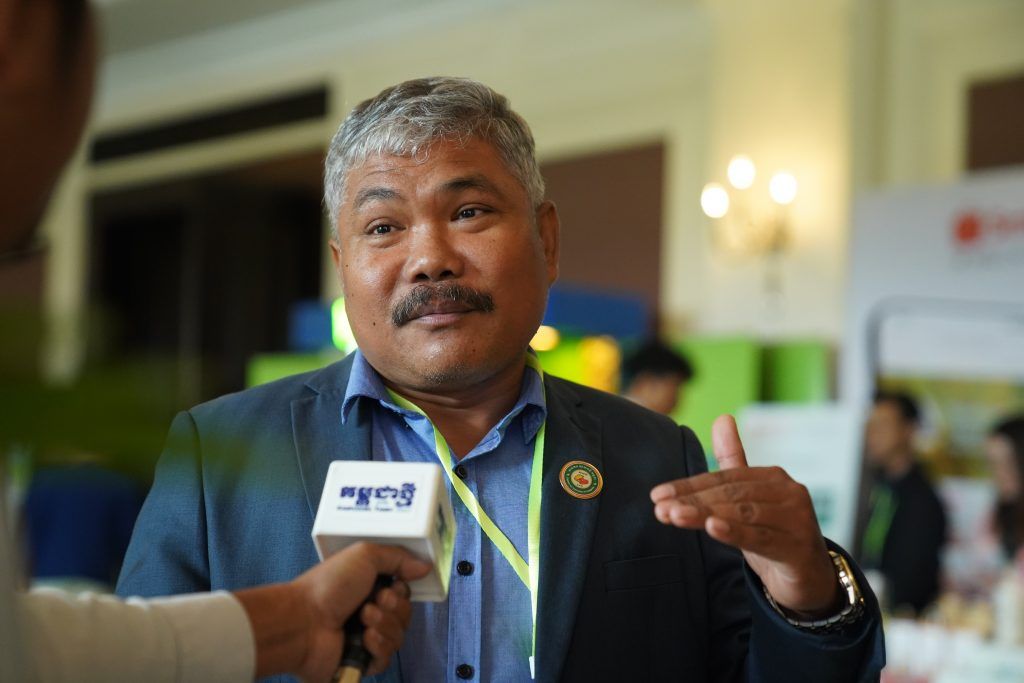
CAC Chairman Mr. Silot Uon is also expected to use the visit to strengthen an existing relationship with a professor at Zanzibar University, located in Zanzibar, Tanzania. The relationship could provide an additional opportunity for knowledge exchange and cooperation between Cambodia and Tanzania in areas related to agriculture and the cashew sector.
Global Platform for the Cashew Industry
The World Cashew Conference is a major annual international platform bringing together stakeholders from across the global cashew value chain.
Participants include cashew growers and producer associations, exporters, commercial processors and shellers, roasters, processing-equipment manufacturers, shipping companies and international commodity traders.
The conference provides opportunities for global market intelligence and price discovery, high-level business-to-business networking and deal-making, investment promotion, access to processing technologies, greater visibility for emerging cashew-producing countries, and discussions on policy harmonization and sustainability.
For CAC, participation in the conference provides an opportunity to understand developments in major producing and processing markets while promoting Cambodia's growing role in the global cashew industry.
CAC and WCC Maintain Long-Term Relationship
CAC has been invited by the WCC to participate in the event since 2019, although CAC has attended only twice because of financial constraints.
Since 2020, the CAC logo has appeared among the strategic partners of the World Cashew Conference, reflecting CAC’s long-standing relationship with the international cashew platform.
Through its participation in international cashew events and study activities, CAC has gained knowledge about production, processing, trade and value-chain development in both West and East Africa.
Tanzania Emerges as Major Cashew Supplier
Tanzania is among the countries attracting growing attention from the international cashew industry. The country harvested a record 617,683 metric tonnes (MT) of raw cashew nuts during the 2025/26 season, an increase of nearly 17% from approximately 528,263 MT in the previous season.
Although the harvest remained below the government's target of 700,000 tonnes, the strong production has renewed attention on expanding Tanzania's domestic cashew-processing capacity and increasing value addition within the country.
CAC's interest in Tanzania also reflects the importance of learning from countries that are seeking to move beyond raw-nut exports toward greater domestic processing.
Ghana Highlights Regional Trade Dynamics
Ghana also remains an important participant in the West African cashew trade.
The country exported approximately 444,000 MT of raw cashew nuts during the year, with Vietnam and India among the major destinations.
The high export volume was partly attributed to an estimated 165,000 MT of cashews informally imported from Côte d'Ivoire, Mali and Burkina Faso and subsequently re-exported through Tema Port.
Such cross-border trade demonstrates the interconnected nature of the West African cashew supply chain and provides lessons for Cambodia as it seeks to strengthen its own position in international cashew markets.
Cambodia Continues Rapid Production Growth
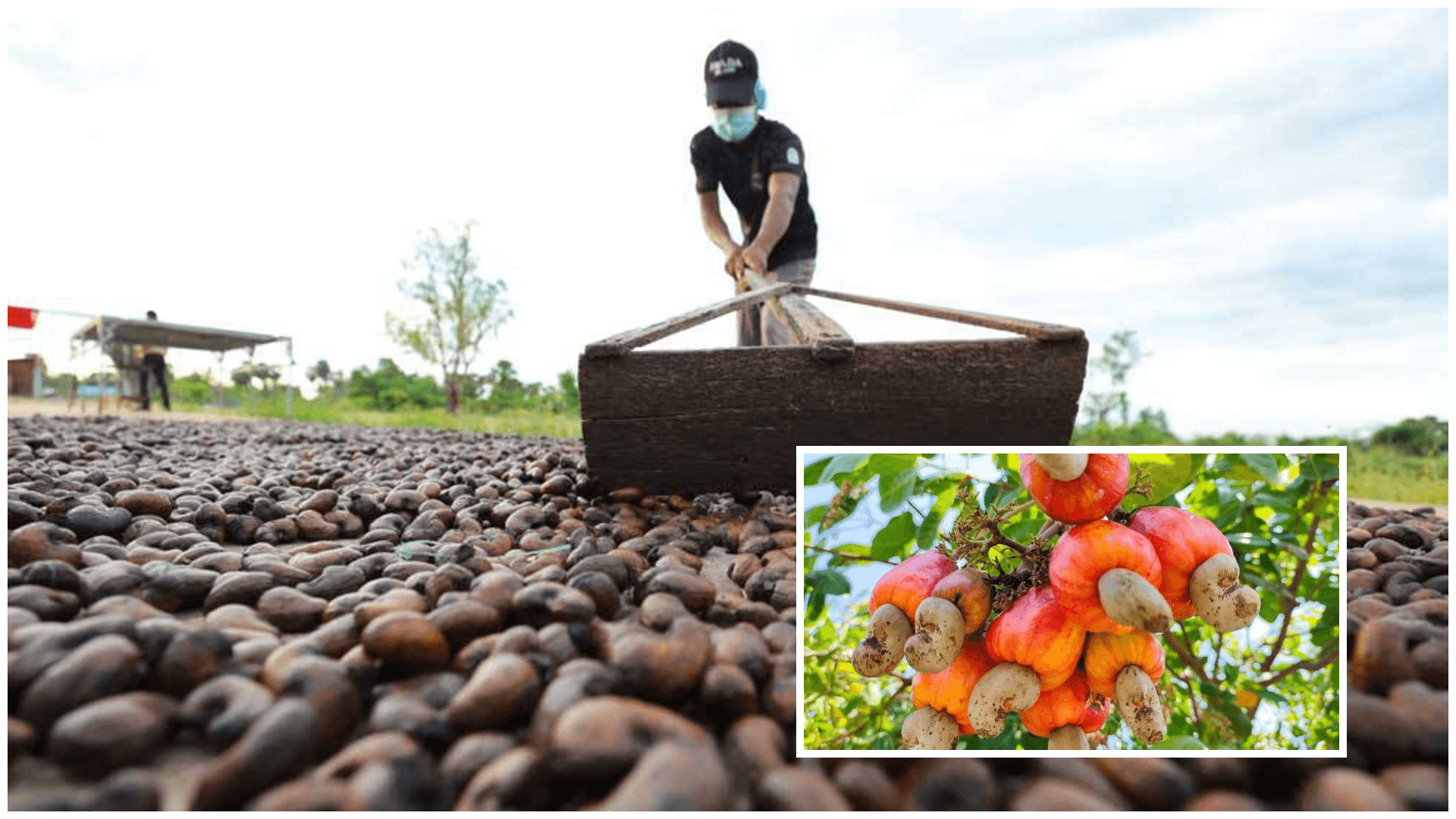
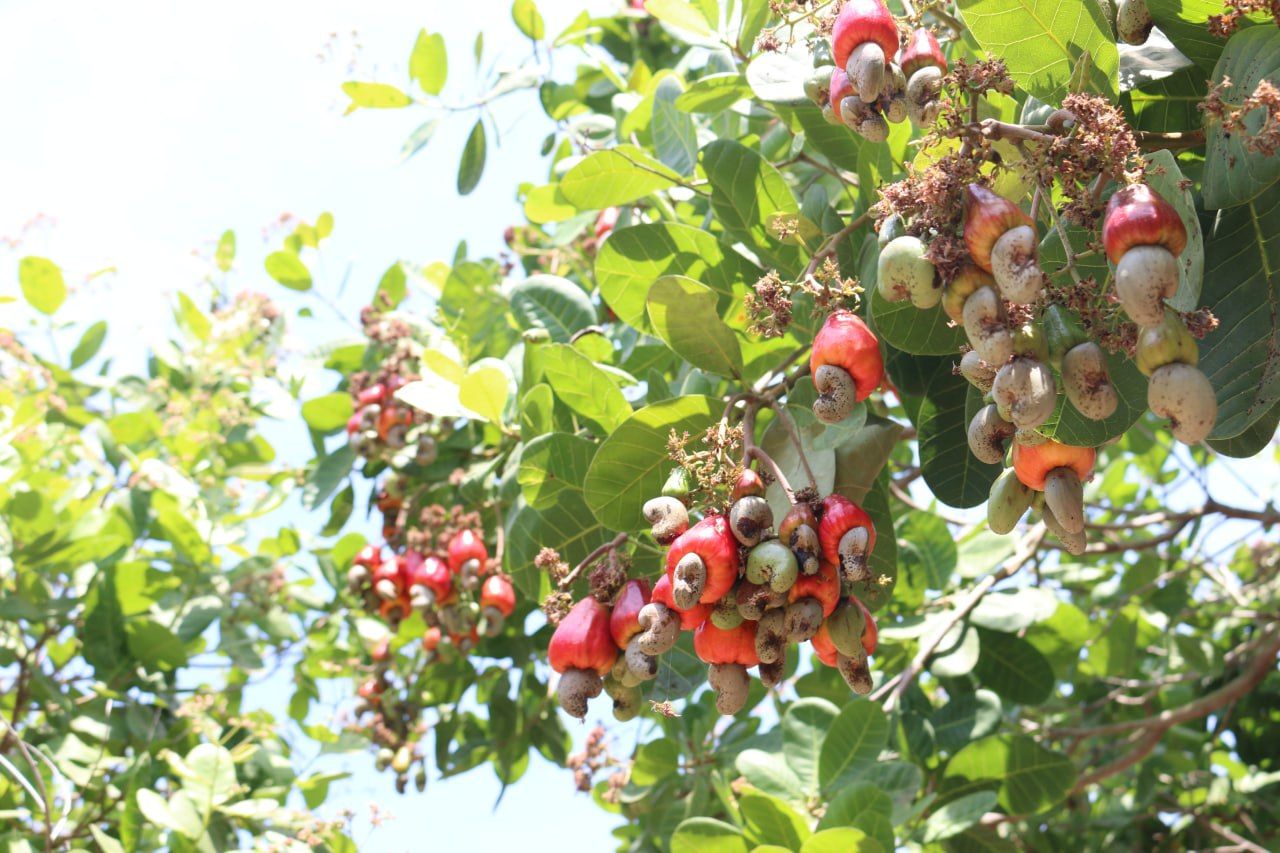
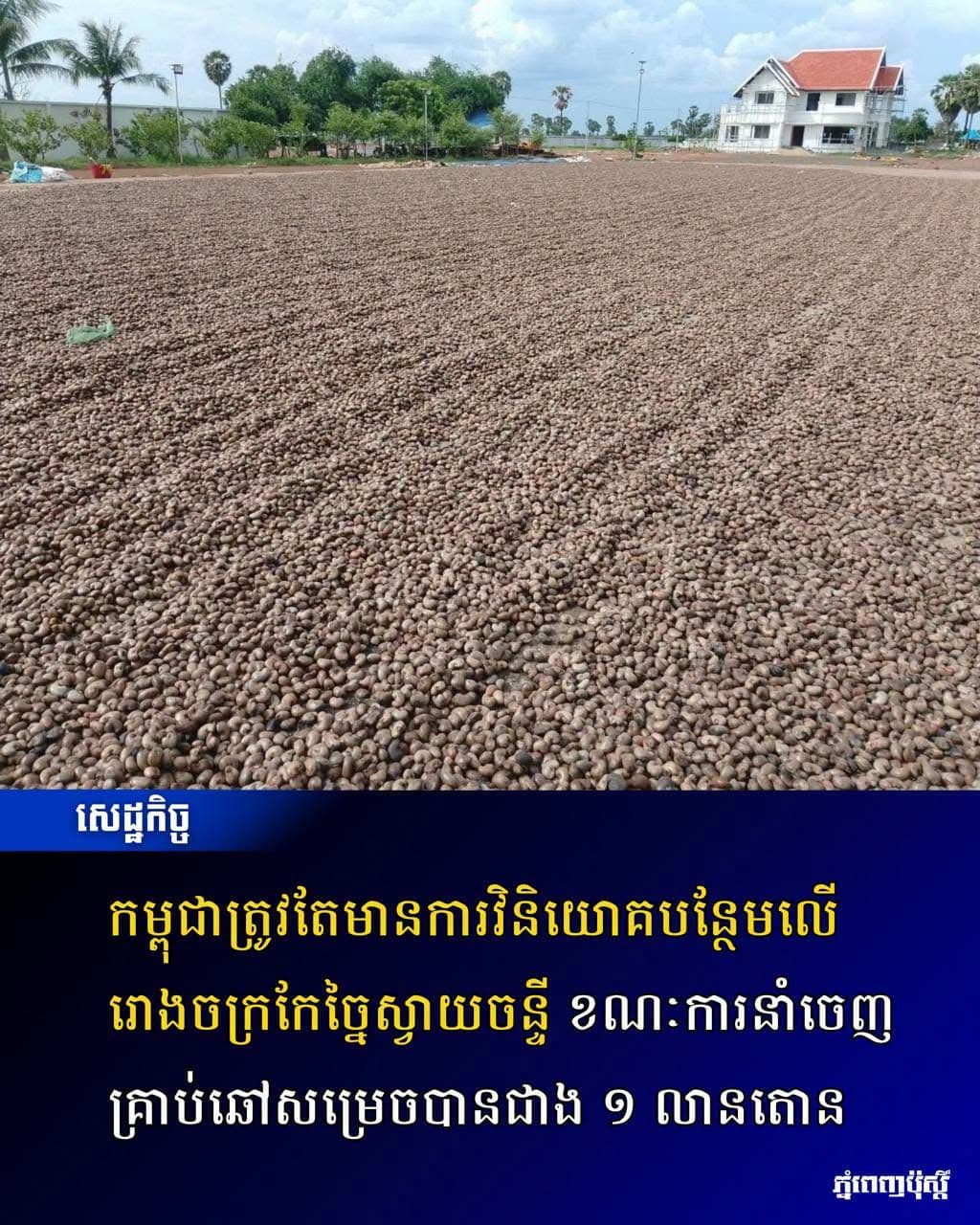
Cambodia, meanwhile, continues to strengthen its position as a major global raw cashew producer. During the first eight months of 2026, Cambodia produced approximately 1.08 million metric tonnes of raw cashew nuts, generating an estimated US$1.8 billion in value, according to figures cited by the sector. The production represented an estimated 29% increase compared with the corresponding period.
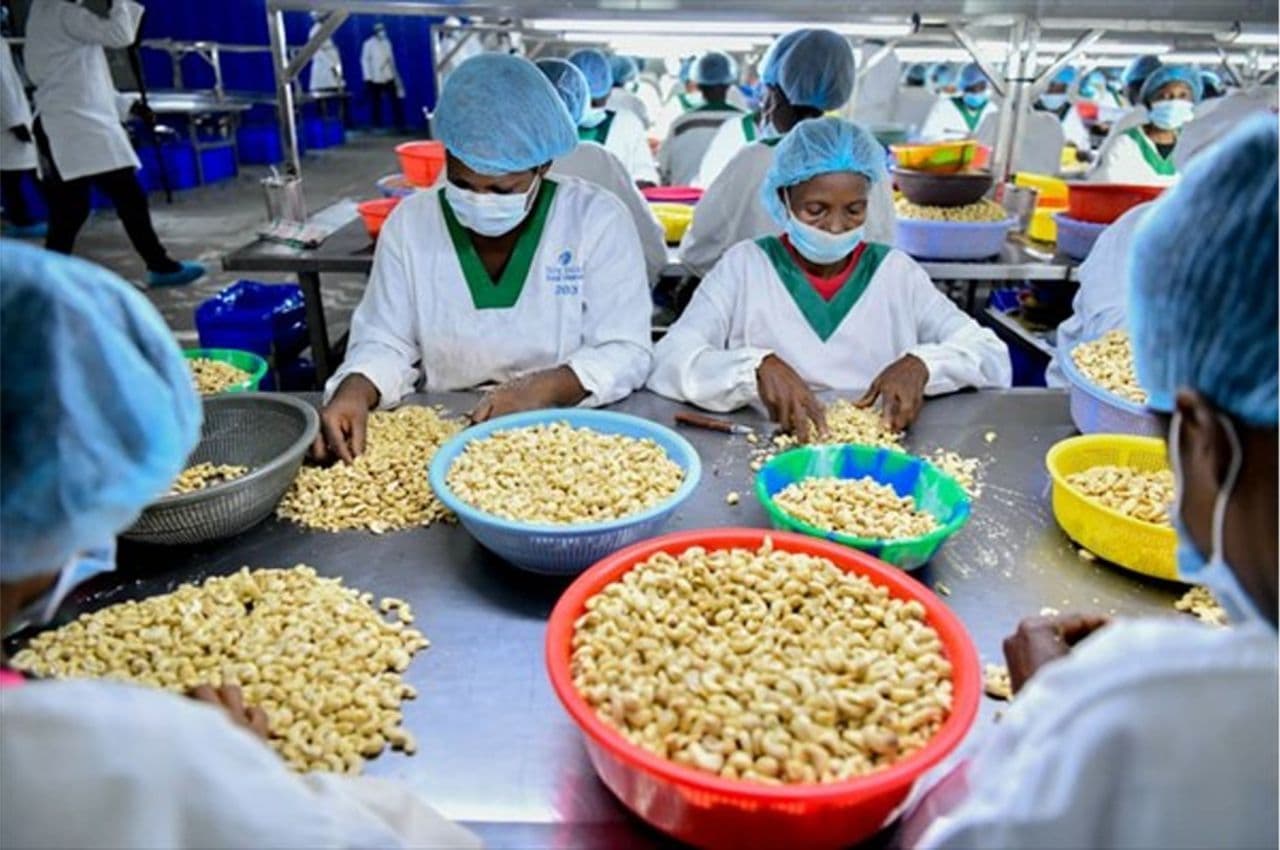
Despite its large production base, Cambodia continues to face the challenge of increasing domestic processing and capturing more value from its cashew crop. The country is therefore looking increasingly to international experience, particularly from major producing countries in Africa, to identify approaches that could support the development of its own processing industry.
CAC's participation in the WCC in Tanzania is part of the association's broader effort to learn from major cashew-producing regions and build international cooperation.
The experiences of Tanzania, Ghana and other African producers offer different examples of how countries can manage production growth, international trade, domestic processing, logistics and value addition.
For Cambodia, which now produces more than one million tonnes of RCN annually, the key challenge is to translate its strong production base into a more developed domestic processing industry while ensuring that farmers continue to benefit from competitive markets.
The upcoming WCC therefore provides CAC with an important platform not only to follow global cashew-market developments, but also to strengthen Cambodia's visibility and relationships within the international cashew community.