Cambodia’s exports to the US surged over 31% in the first five months of 2026, but exporters still face certification, customs, logistics, legal, transport, and processing challenges that limit agricultural trade growth.
These obstacles affect cash flow, shipping risk, export costs, and competitiveness. For SMEs, access to export finance and reliable insurance remains critical to ease financial pressure, keep exports moving, and support economic growth.
Silot Uon , President of the Cashew Nut Association of Cambodia (CAC), said Cambodia currently exports only a small amount of cashew nuts to the US due to the lack of standardization recognition from the US Food and Drug Administration (FDA), while domestic production and cashew nut processing capacity remain limited. He also shared other challenges that continue to limit Cambodia’s ability to expand cashew exports to the US.
CIF vs FOB: Payment Dispute Slows Cambodia's Cashew Exports to US
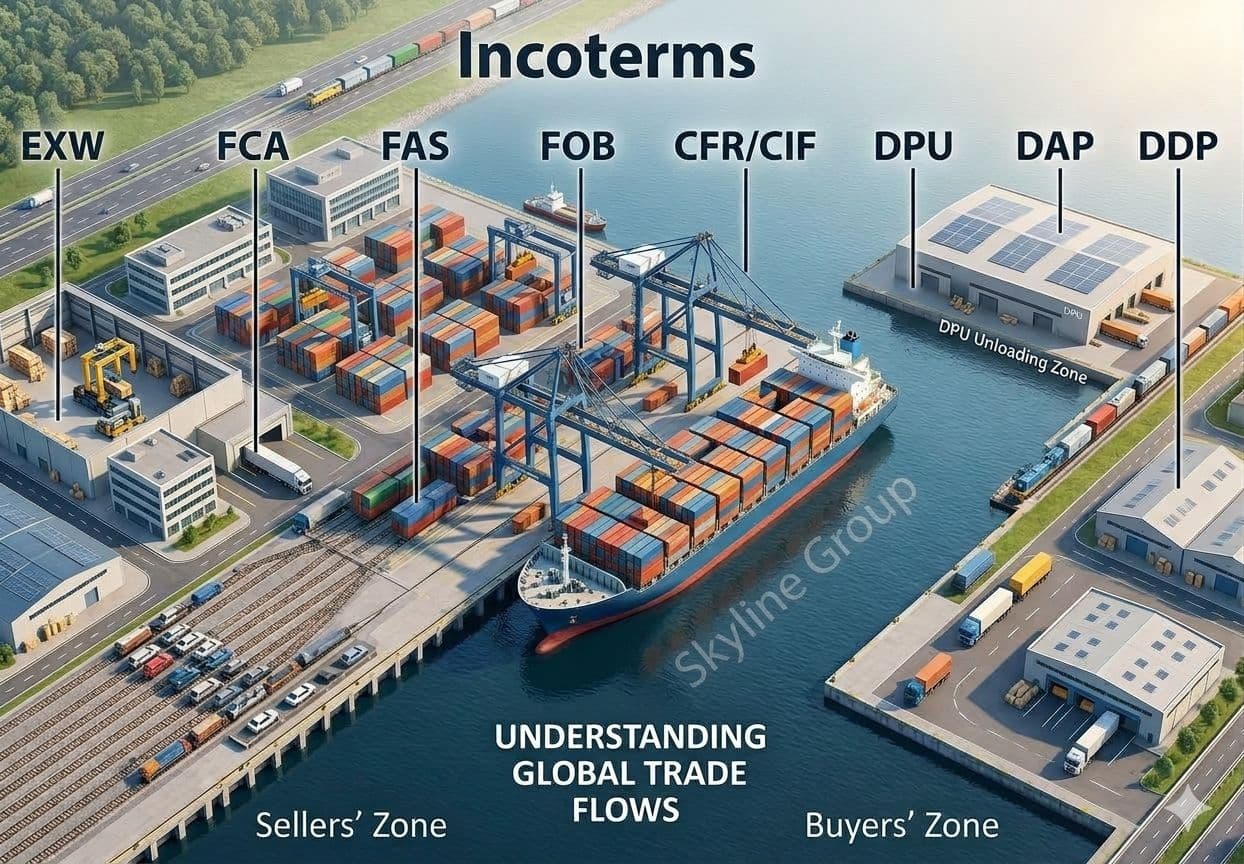
“We also face issues regarding the payment process. Because the customer [US] likes to pay via CIF for us [Cambodia], we like FOB, which means payment at the port due to our limited capital. And the CIF payment process takes place at the US port. So, we could not do it unless it is FOB payment,” he told Kiripost, referring to the financial barrier in receiving payment from US customers as both sides use different payment terms.
CAC explains CIF (cost, insurance, freight) means the seller pays shipping, insurance, and export costs until goods load on the ship, then risk transfers to buyer. FOB (free on board), common in agricultural exports, ends seller’s responsibility at loading; buyer pays delivery and insurance.
From a trade finance view, payment terms can pressure Cambodian exporters, especially SMEs with limited capital.
Chan James, Trade Finance Sales and Advisory Director at Wing Bank, said FOB lowers upfront costs and enables earlier payment, while CIF requires exporters to cover freight, insurance, and transport until arrival.
“For small exporters, CIF can tie up cash longer, affecting raw material purchases, supplier payments, labor costs, and the next shipment,” James said.
He added that limited financing, shipment delays, document issues, quality disputes, rising costs, and late payments can further strain exporters and lead to lost opportunities.
“To manage these risks, exporters need proper financial planning, trade documentation, and payment risk management,” James said. Wing Bank is offering trade finance benefits until December 31, 2026, including LC issuance fee at 0.05% per month, up to 50% discount on LC settlement service fee, and waived document handling fee for Documentary Collection.