
CAC News
New Delhi — India’s cashew industry is increasingly shifting its strategic focus toward domestic cultivation as heavy reliance on imports continues to pressure margins and expose processors to global price volatility.
India currently sources nearly 75% of its raw cashew nut (RCN) requirements from overseas, with domestic production accounting for only about 25%. Industry executives say this imbalance has become a key structural risk, driving sharp fluctuations in raw material prices, tightening working capital cycles, and increasing supply uncertainty.
In response, the Union Government has begun prioritising self-sufficiency in cashew cultivation. While the policy shift is viewed as positive, industry participants caution that agricultural expansion will take several years to materially improve supply, given the long gestation period of cashew plantations.
In the interim, input costs remain under pressure. RCN prices have risen steadily in recent years, driven by inflation, currency movements, and intensifying competition for African-origin cashew. Market participants warn that sustained increases in raw material costs could lead to higher kernel prices, potentially weighing on demand in price-sensitive consumer segments.
Executives note that processing capacity can be scaled relatively quickly, but sustainable pricing depends on stable access to raw material. Long-term consumption growth, they argue, will hinge on cost balance rather than demand growth alone.
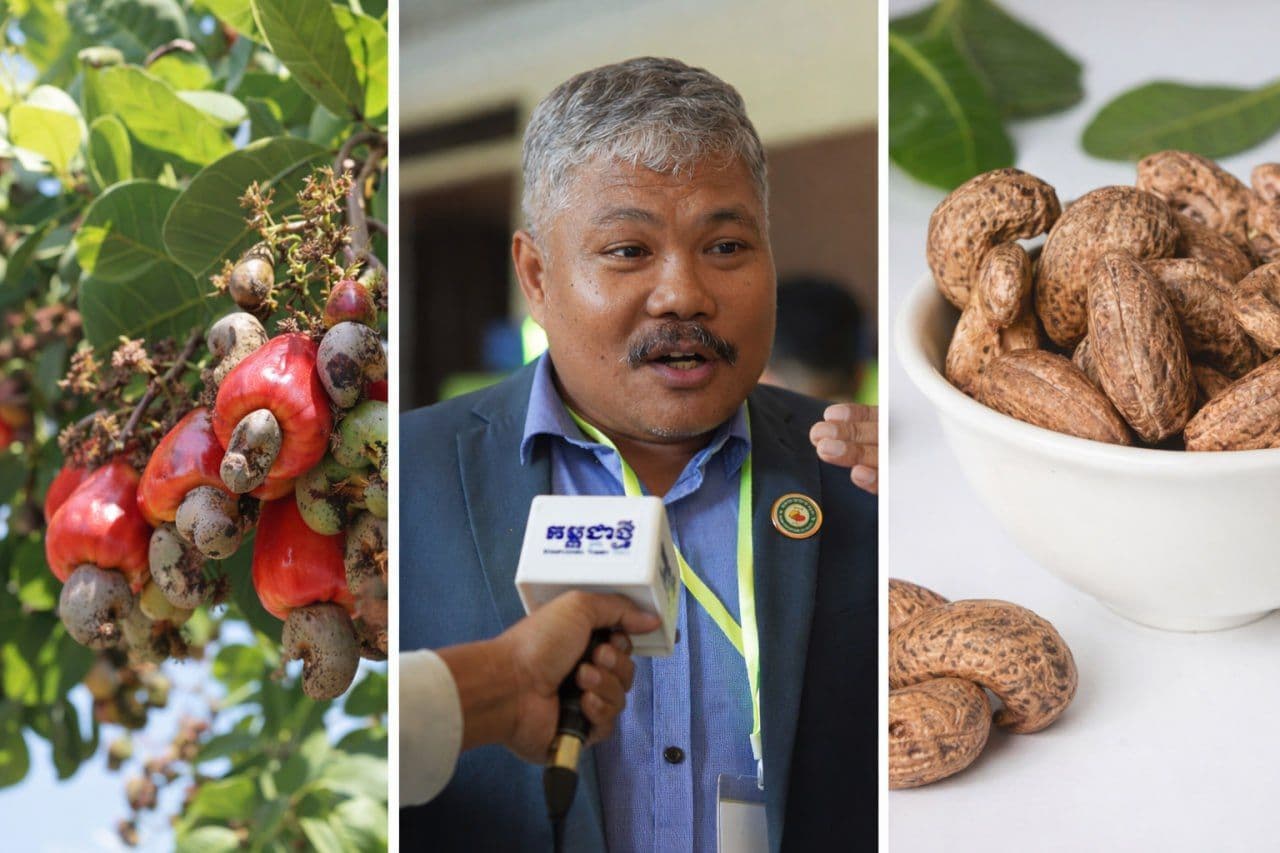
Import dependence remains significant. Silot Uon, President of the Cashew Nut Association of Cambodia, said 16 Indian companies have so far engaged with the CAC to source RCN from Cambodia for processing in India and sale across domestic and export markets.
Industry leaders say the transition toward higher domestic cultivation is strategically necessary, but managing price volatility and capital efficiency during the transition phase will be critical for the sector’s near-term stabilit