CAC News
Kampong Thom, July 2026 — Africa, which produces more than 60 percent of the world's raw cashew nuts (RCNs), is increasingly focusing on expanding domestic processing to capture greater value from one of its most important agricultural commodities.
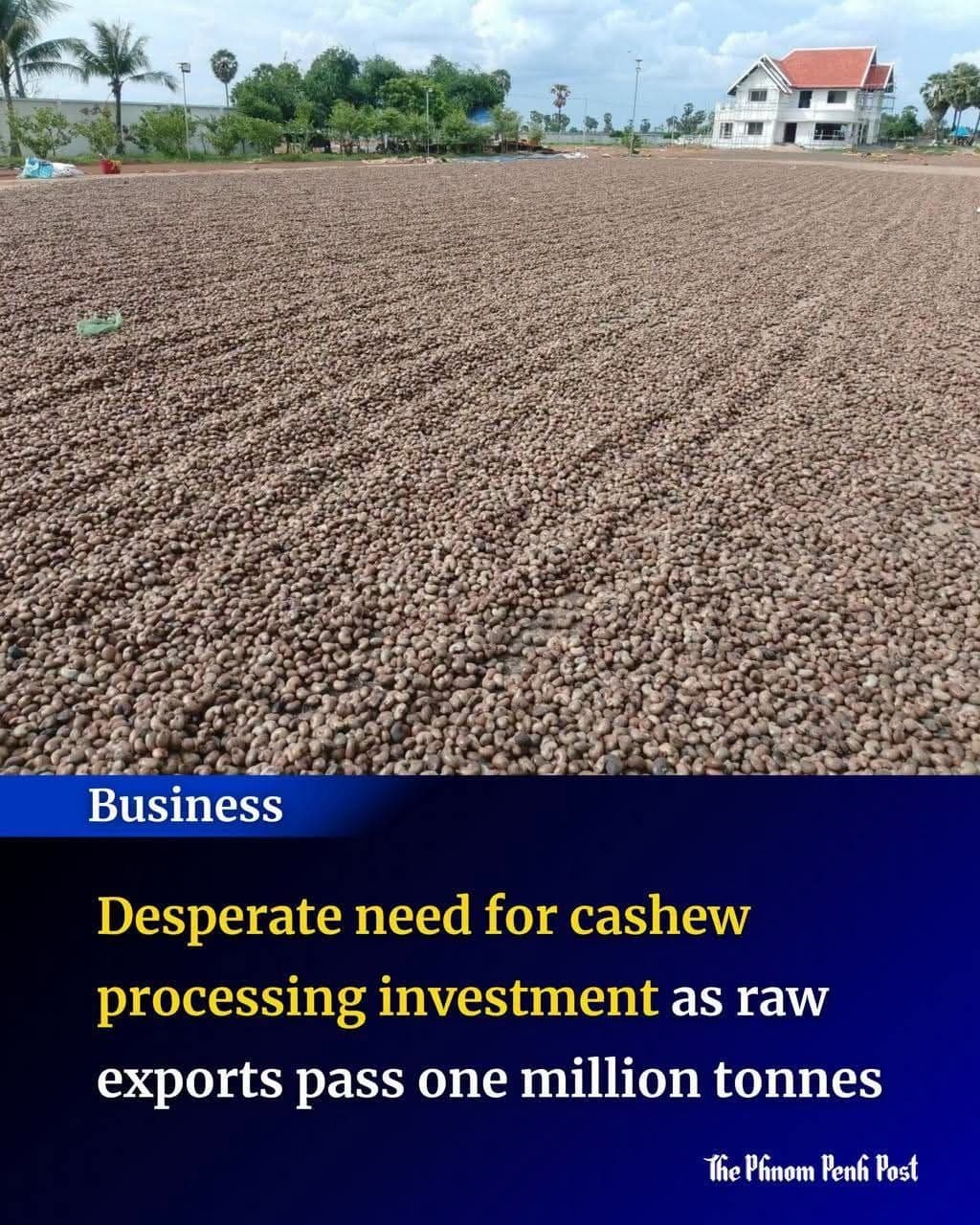
Although the continent is the world's largest supplier of raw cashew nuts, much of its harvest is still exported for processing abroad, particularly to Vietnam and India, which continue to dominate global cashew processing and kernel exports.
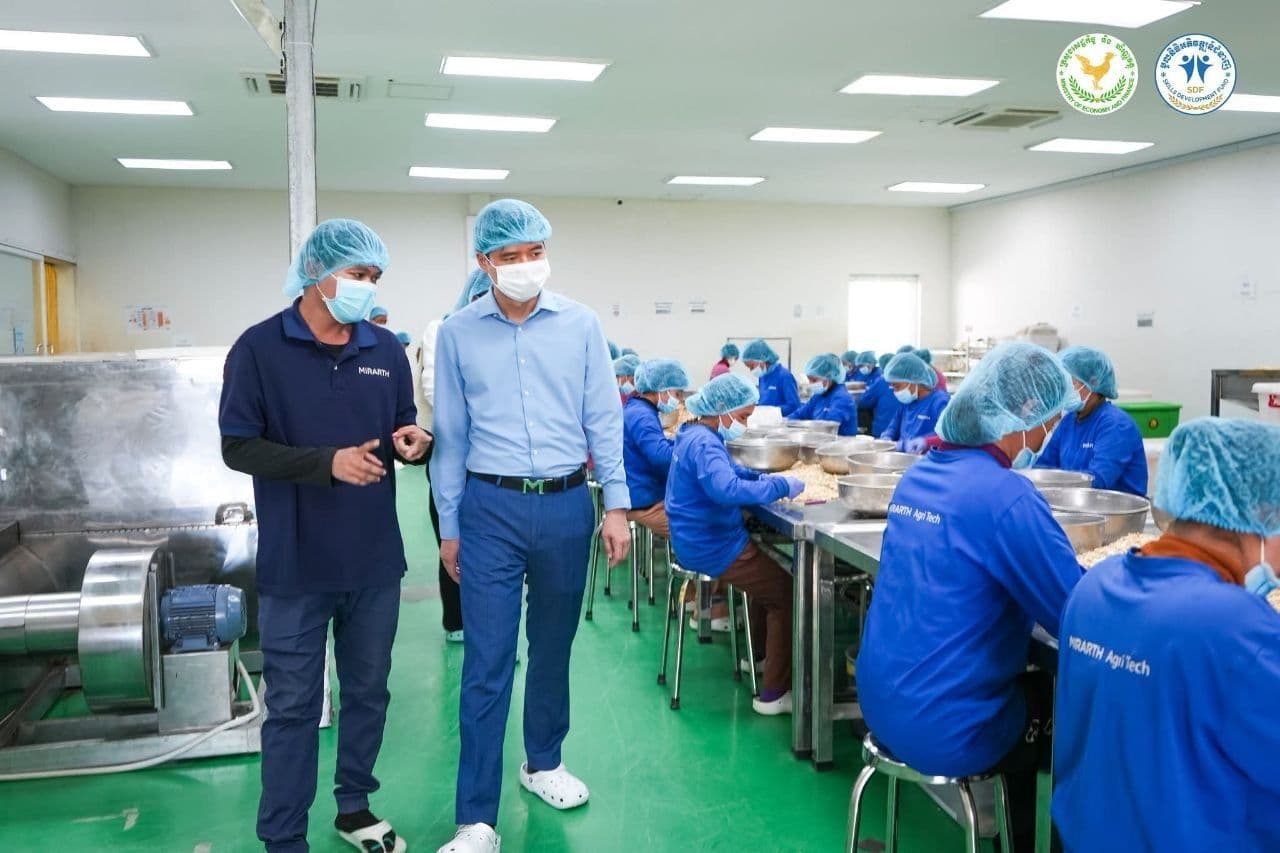
Leading African producers—including Côte d'Ivoire, Benin, Tanzania, Guinea-Bissau, Mozambique and Ghana—are investing in local processing capacity, value addition and brand development to increase export earnings, generate employment and strengthen manufacturing industries.
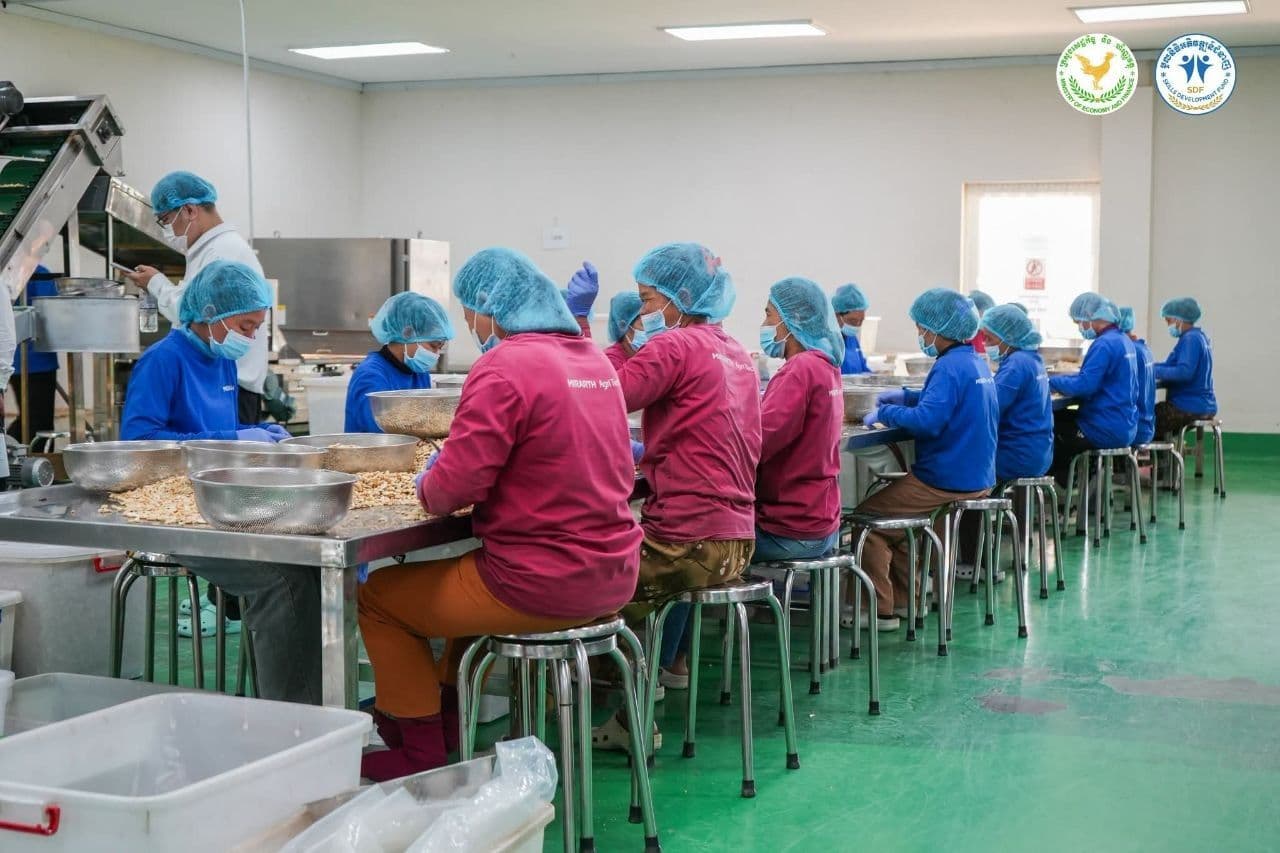
Industry analysts say the growing global demand for healthy snacks and plant-based food ingredients presents significant opportunities for African processors. Expanding domestic processing could create thousands of skilled jobs across processing, packaging, logistics and related industries while increasing farmers' incomes and attracting new investment throughout the cashew value chain.
Recent market developments, however, suggest the industry is entering a more cautious pricing environment.
At the start of the 2026 harvest season, Côte d'Ivoire set its official farmgate price for raw cashew nuts at 400 CFA francs per kilogram, a 6 percent reduction from the previous year. Ghana also lowered its producer price by approximately 20 percent.
Market observers believe the lower benchmark prices reflect several factors, including softer international cashew prices, the lingering effects of U.S. tariff measures introduced in 2025, the weakening U.S. dollar and government efforts to maintain export competitiveness.
The simultaneous price reductions by two of West Africa's largest producers have prompted questions about whether the market is simply correcting after a volatile 2025 season or entering a period of sustained price moderation.
Industry experts note that the answer will have significant implications for procurement strategies, processing margins and export competitiveness across the global cashew sector.
Despite short-term pricing pressures, many analysts believe Africa's long-term opportunity lies in processing more of its own raw cashew production. By increasing domestic value addition, producing countries can reduce reliance on raw commodity exports, retain a larger share of export earnings and build internationally recognized brands capable of competing in premium markets.
The experience of Côte d'Ivoire, which has rapidly expanded its processing capacity in recent years, is increasingly viewed as a model for other producing countries seeking to transform their cashew industries from raw material suppliers into exporters of high-value finished products.