CAC News
Phnom Penh, July 2026 — Cambodia's cashew industry could benefit from new tariff exemptions granted by the United States, but industry experts say the country's limited domestic processing capacity continues to prevent it from fully capitalizing on the opportunity.
Following a Section 301 investigation, the Office of the United States Trade Representative (USTR) imposed a 10 percent tariff on imports from Cambodia. The United States also announced tariffs of up to 12.5 percent on imports from 38 other countries, including Thailand and Vietnam.
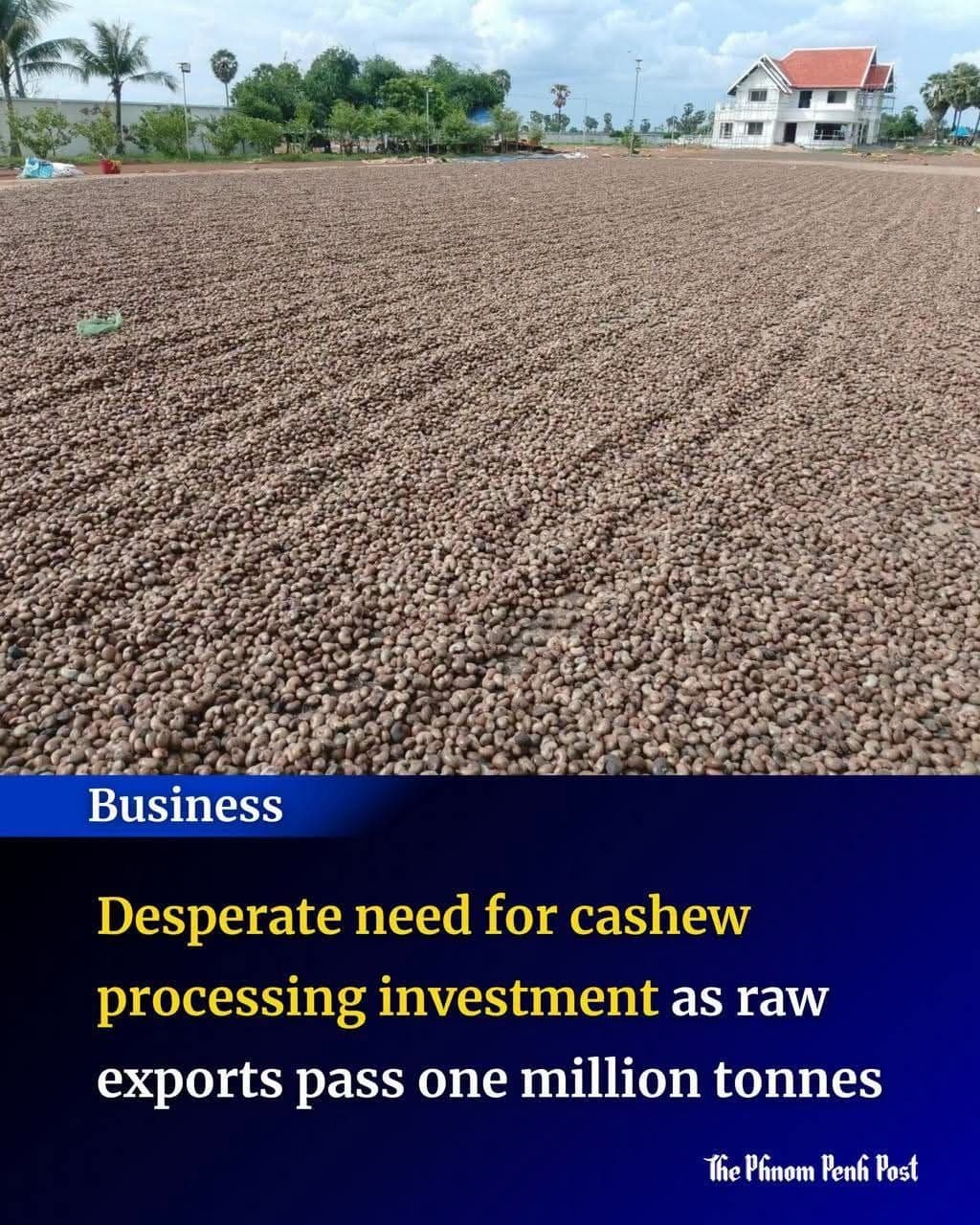
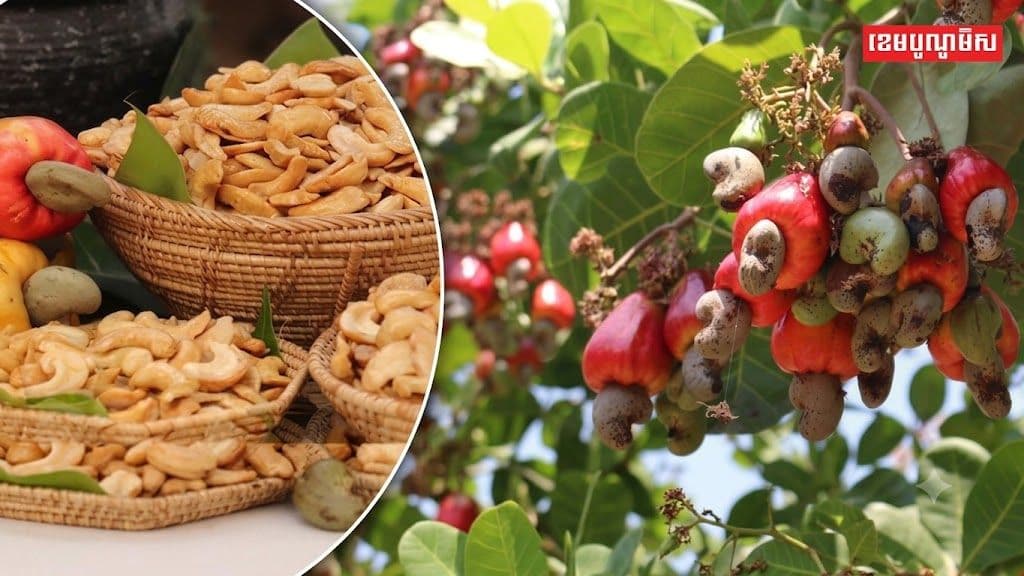
Despite the new tariff measures, Cambodia received exemptions for several products that are not produced in the United States, including cashew nuts. However, industry stakeholders note that Cambodia exports most of its cashew production in raw form, limiting its ability to benefit from preferential access for processed products.
Although several international non-governmental organizations (NGOs) have supported projects aimed at expanding exports of Cambodian cashew kernels to the United States and Europe, the results have been limited. These initiatives have largely focused on processing and export promotion, while domestic processing capacity has continued to decline, constraining the industry's ability to meet growing demand in premium export markets.
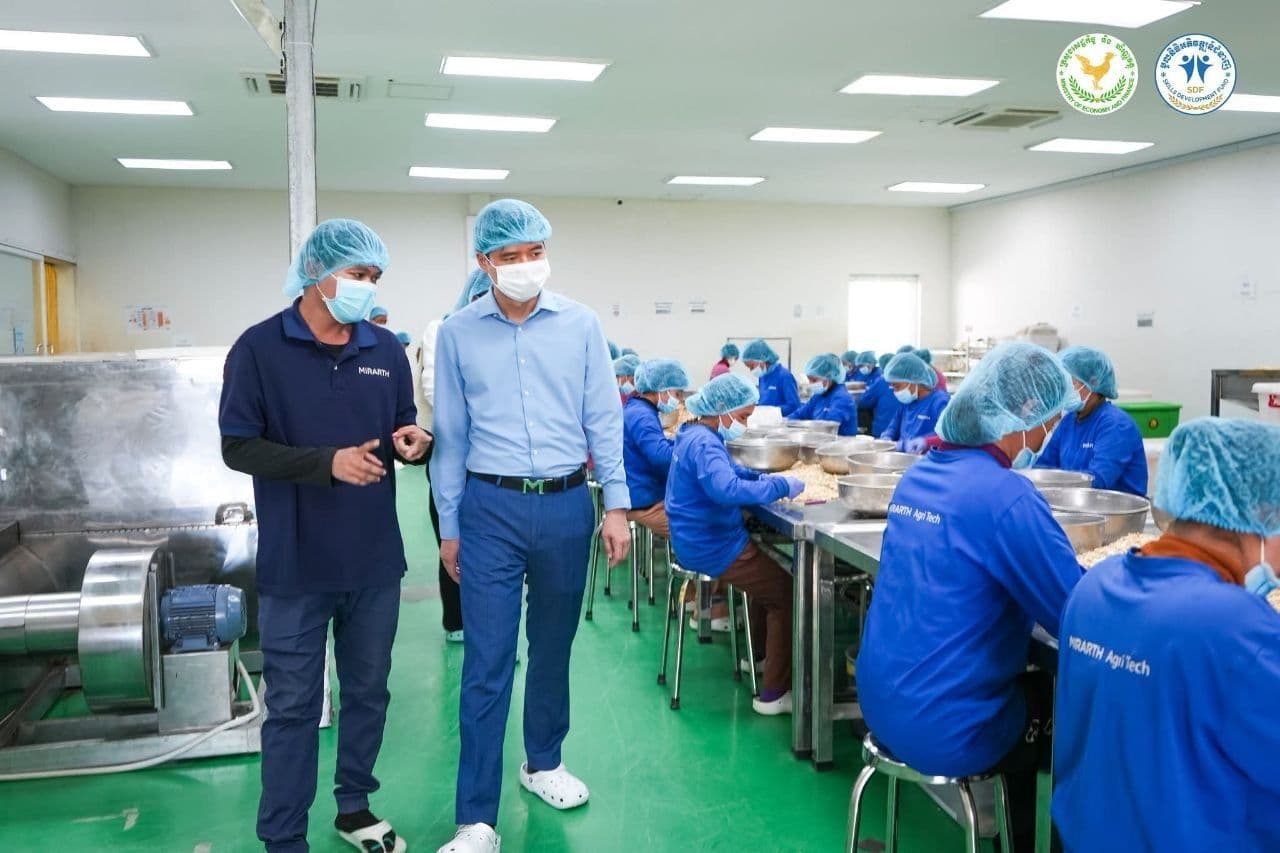
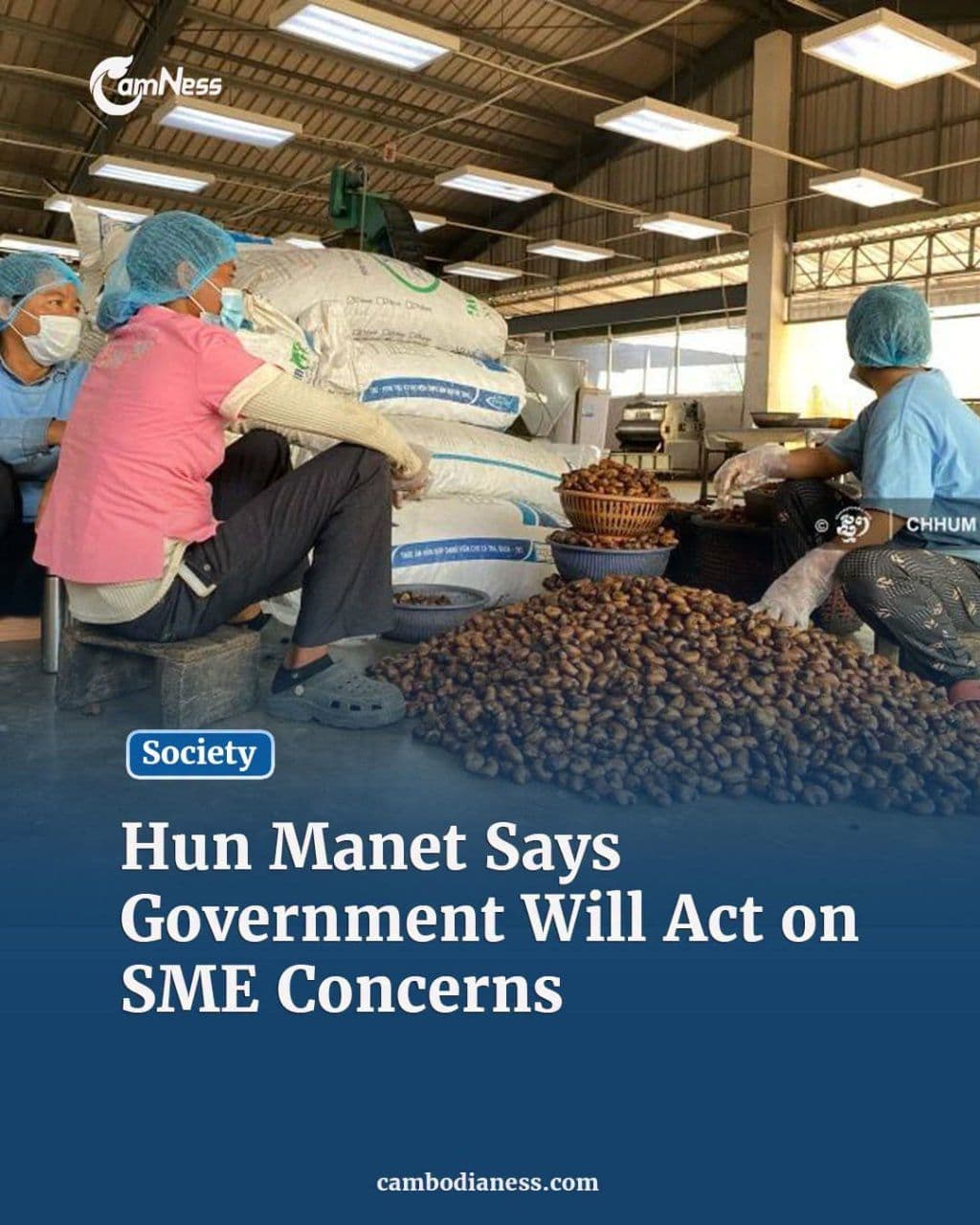
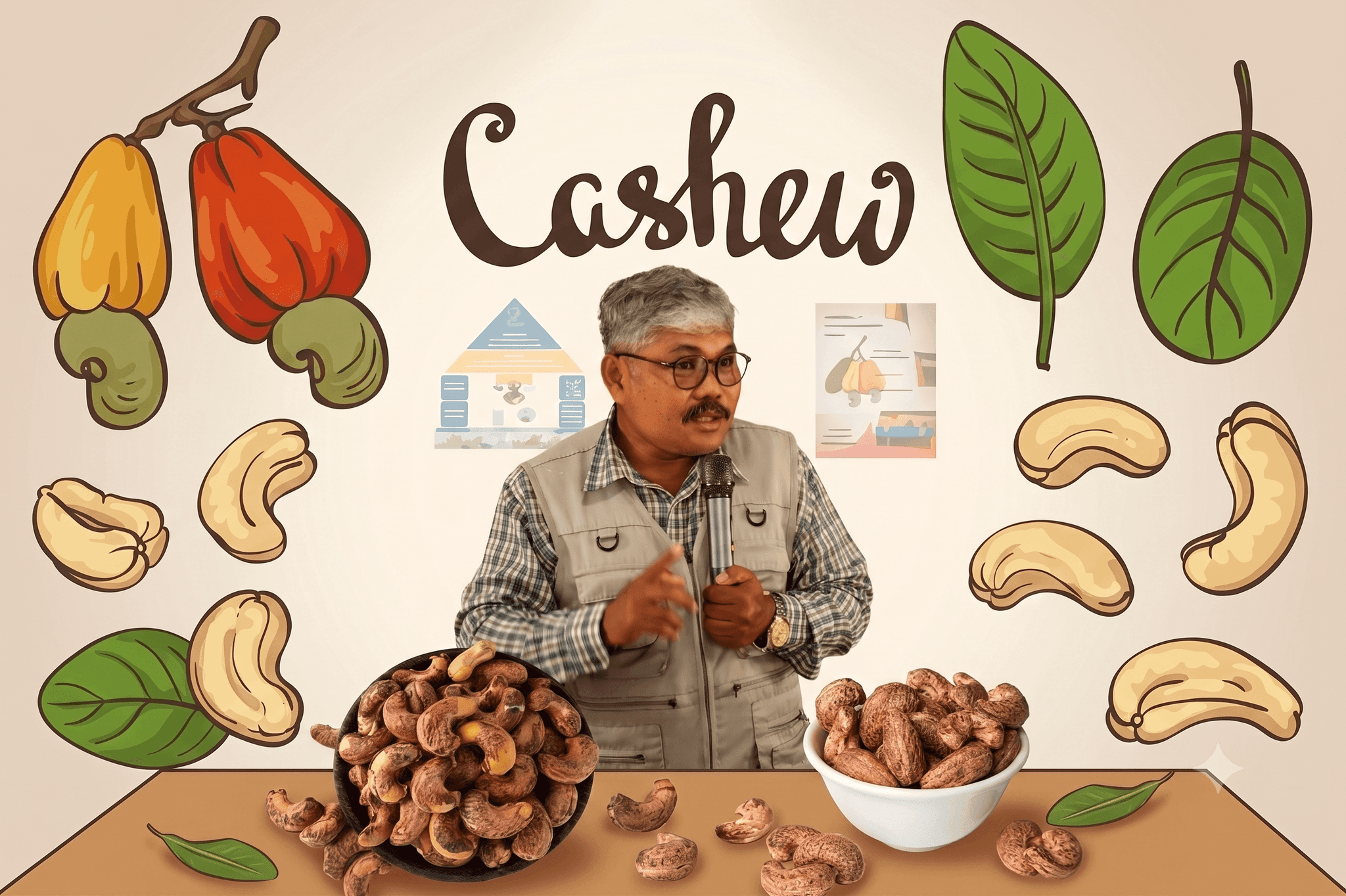
Silot Uon, president of CAC, believes that increasing local processing remains the most effective way for Cambodia to capture greater value from its cashew sector, create employment and diversify export markets.
The new U.S. trade measures also include special tariff incentives for Cambodia's garment industry based on the volume of U.S.-made cotton and cotton fabrics imported for manufacturing. The policy is intended to encourage sourcing from the United States while reducing dependence on Chinese raw materials.
According to available trade data, Cambodia exported approximately US$4 billion worth of garments to the United States in 2025. During the same period, Cambodia imported around US$2.8 billion worth of cotton and fabrics from China for garment production, while imports of U.S. cotton and fabrics totaled only about US$137,000.
Casey Barnett, former President of the American Chamber of Commerce in Cambodia, said Cambodia faces both opportunities and challenges as the United States prepares a second round of tariffs related to manufacturing overcapacity under the Section 301 investigation.
He noted that the next tariff announcement is expected within the coming two months and could offer Cambodia a more favorable tariff rate. However, any preferential treatment may be accompanied by conditions encouraging Cambodia to reduce its reliance on Chinese raw materials and diversify its supply chains.
Barnett added that following the manufacturing overcapacity tariff decision, the USTR is expected to resume discussions with Cambodia on the proposed Agreement on Reciprocal Trade. The negotiations are intended to finalize amendments to the agreement and pave the way for its consideration and ratification by Cambodia's National Assembly.
For Cambodia's cashew industry, the developments underscore the importance of expanding domestic processing capacity. Industry observers say that without significant investment in processing facilities, the country will continue exporting the majority of its raw cashew nuts while missing opportunities to benefit from preferential market access and higher-value exports.