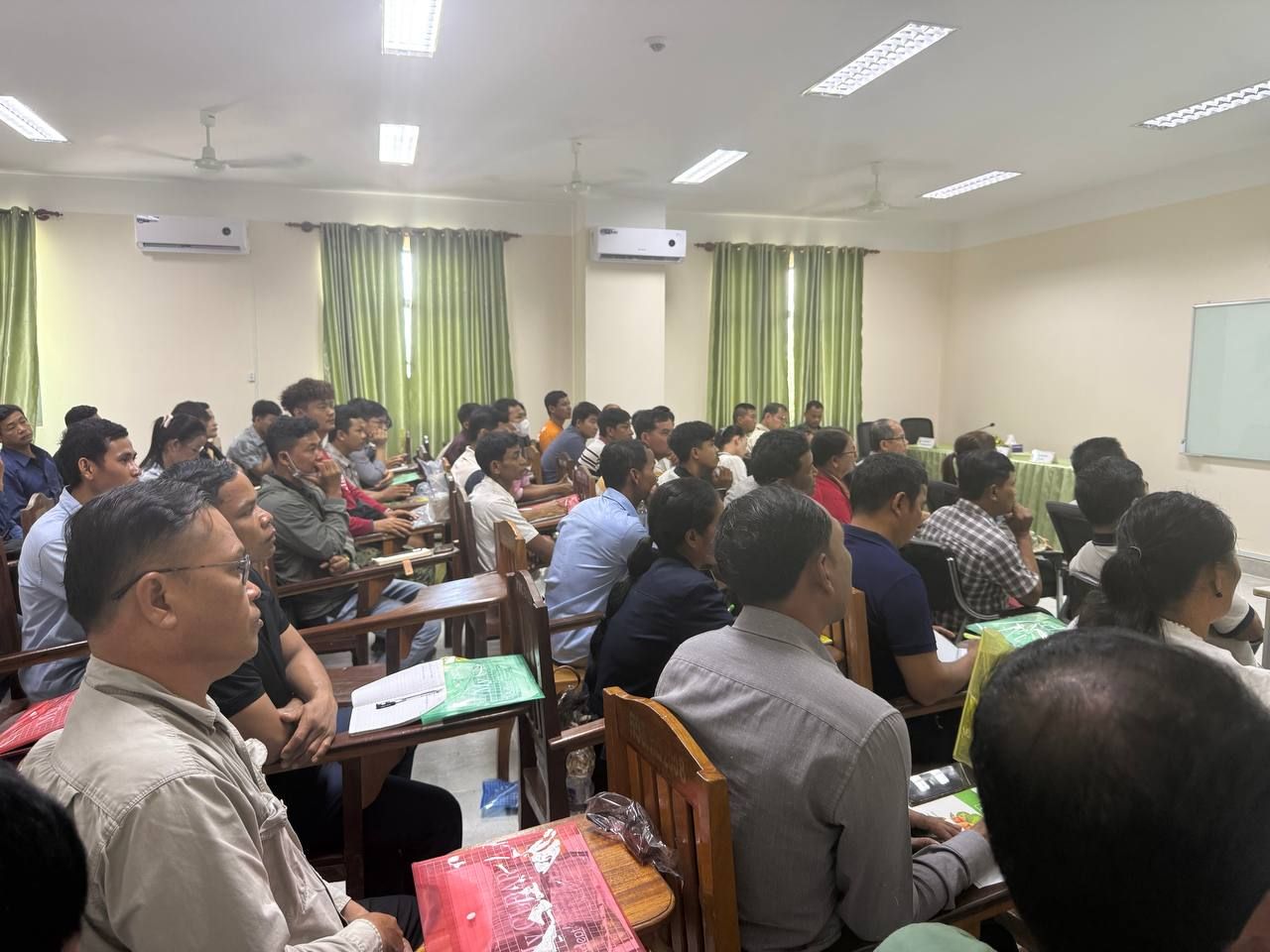

KAMPONG THOM, Cambodia, October 14— The Cashew Nut Association of Cambodia (CAC), in collaboration with Polytechnic Institute of Kampong Thom (PIKT) and Angkor Green Company, organized a technical training workshop for 74 cashew farmers and relevant stakeholders to improve cultivation practices, reduce production costs, strengthen pest and disease management, and prepare for climate risks during the 2026–2027 cashew season.
The workshop, held at PIKT in Kampong Thom Province, brought together 74 participants. It focused on practical solutions to improve cashew productivity, enhance nut quality, and strengthen farmers’ resilience to extreme weather conditions, including the potential impacts of Super El Niño.
Technical sessions covered tree preparation, flower management, nutrient application, and techniques to promote timely flowering and improve fruit setting and retention. Participants also learned appropriate spraying schedules to support flower development and increase the potential for higher yields.
Pest and disease management was another key topic, particularly the growing risk of pesticide resistance. Experts advised farmers to rotate pesticides from different chemical groups, avoid using the same group more than twice consecutively, apply products at recommended dosages, and ensure adequate spray coverage. Farmers were also instructed to recognize conditions that encourage disease outbreaks, including high humidity, frequent rainfall, poor soil drainage, and the spread of pathogens through contaminated agricultural tools.
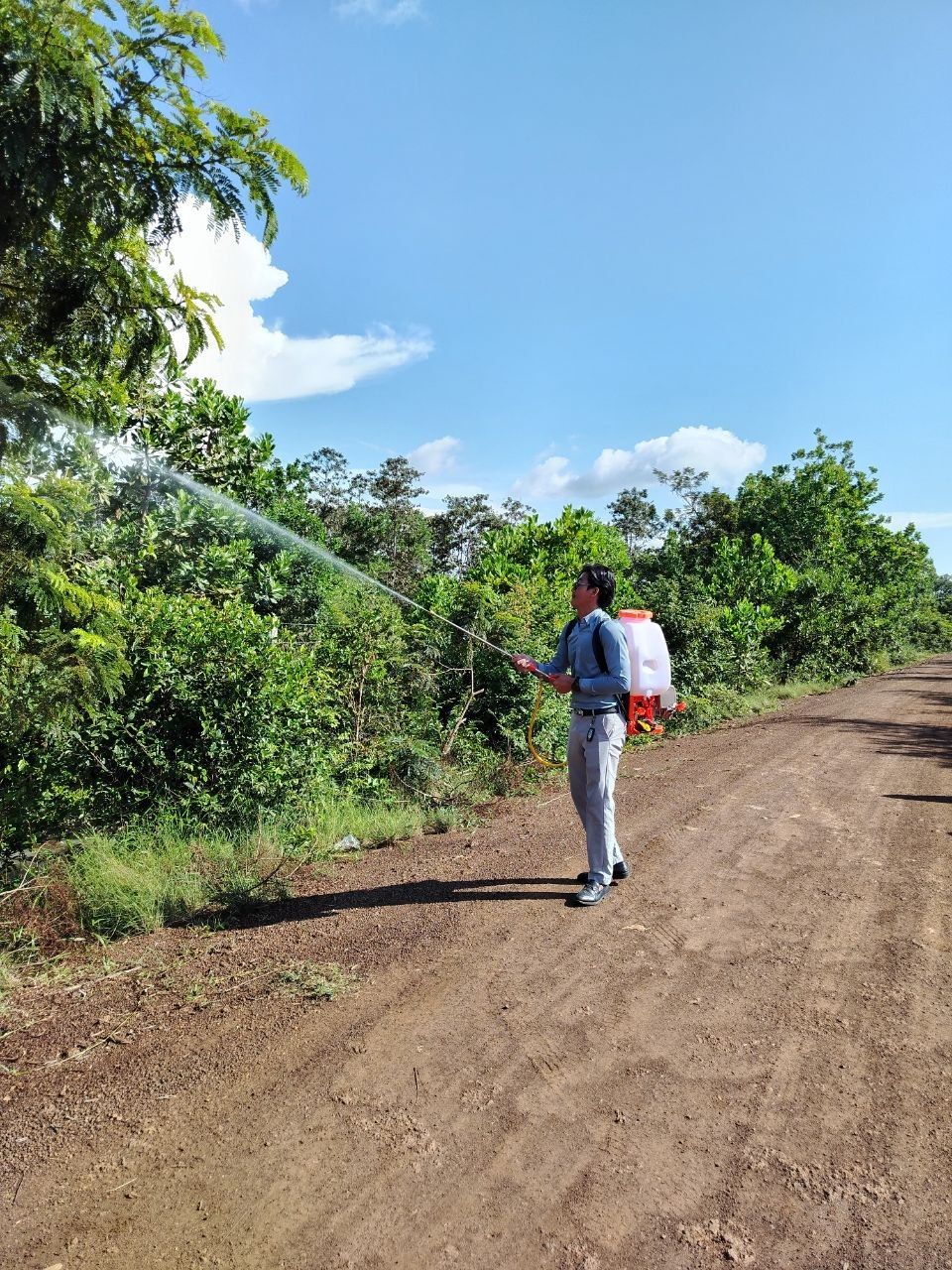
The workshop emphasized chemical safety, encouraging farmers to wear appropriate protective equipment, understand the active ingredients of pesticides, and keep emergency supplies readily available when handling agricultural chemicals.
Climate adaptation was a central component of the training. Participants learned about the potential effects of Super El Niño, including drought, heatwaves, and irregular weather patterns that could affect cashew flowering, fruit development, yields, and nut quality. The sessions provided practical guidance on monitoring weather conditions, managing soil health, and adjusting farm practices to seasonal rainfall, sunlight, and humidity.
The training also addressed production costs and market prospects. Participants reviewed dried cashew nut price trends from the 2026 harvest season and discussed the outlook for the 2026–2027 season to help farmers make better-informed production and marketing decisions.
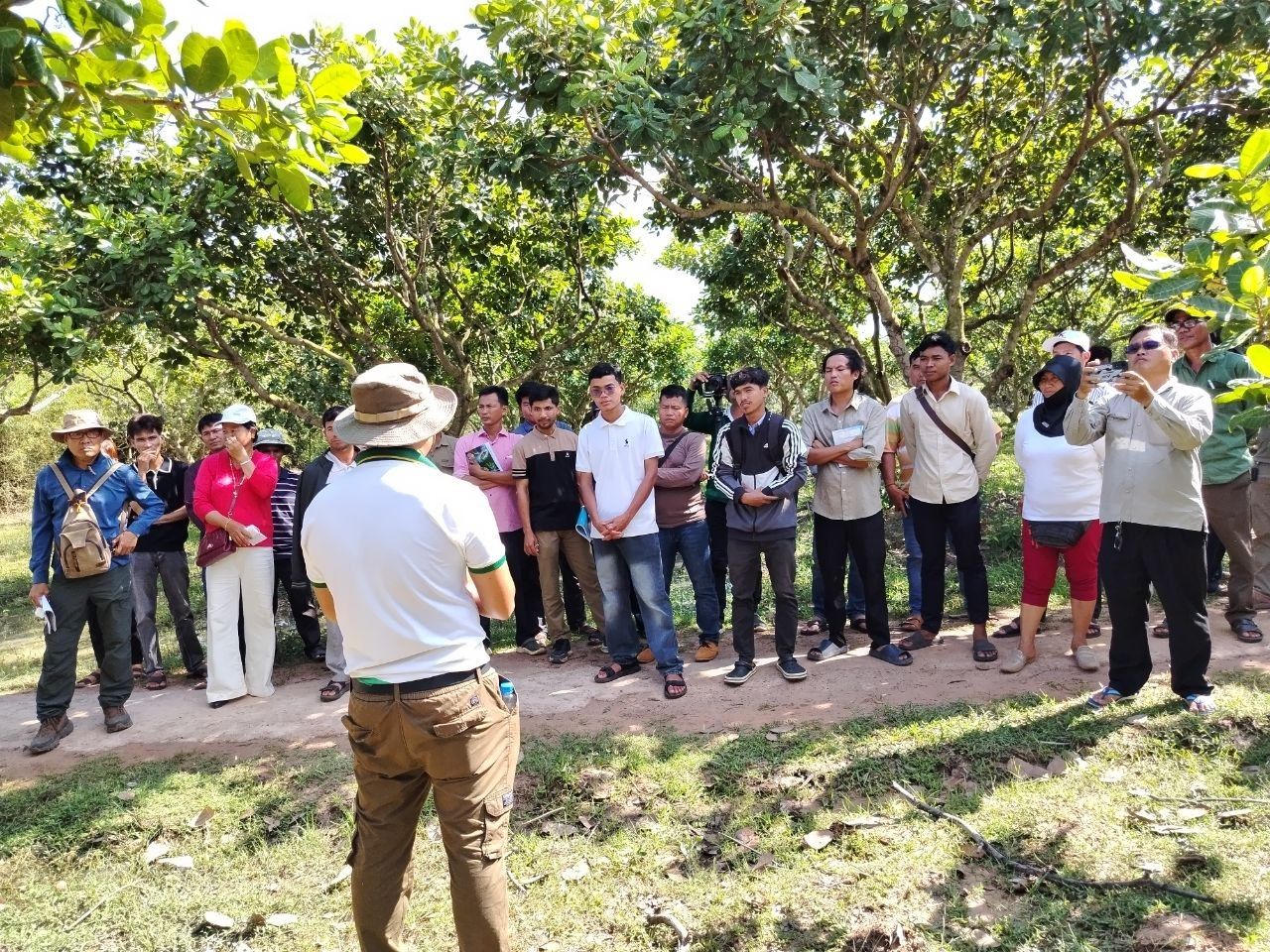
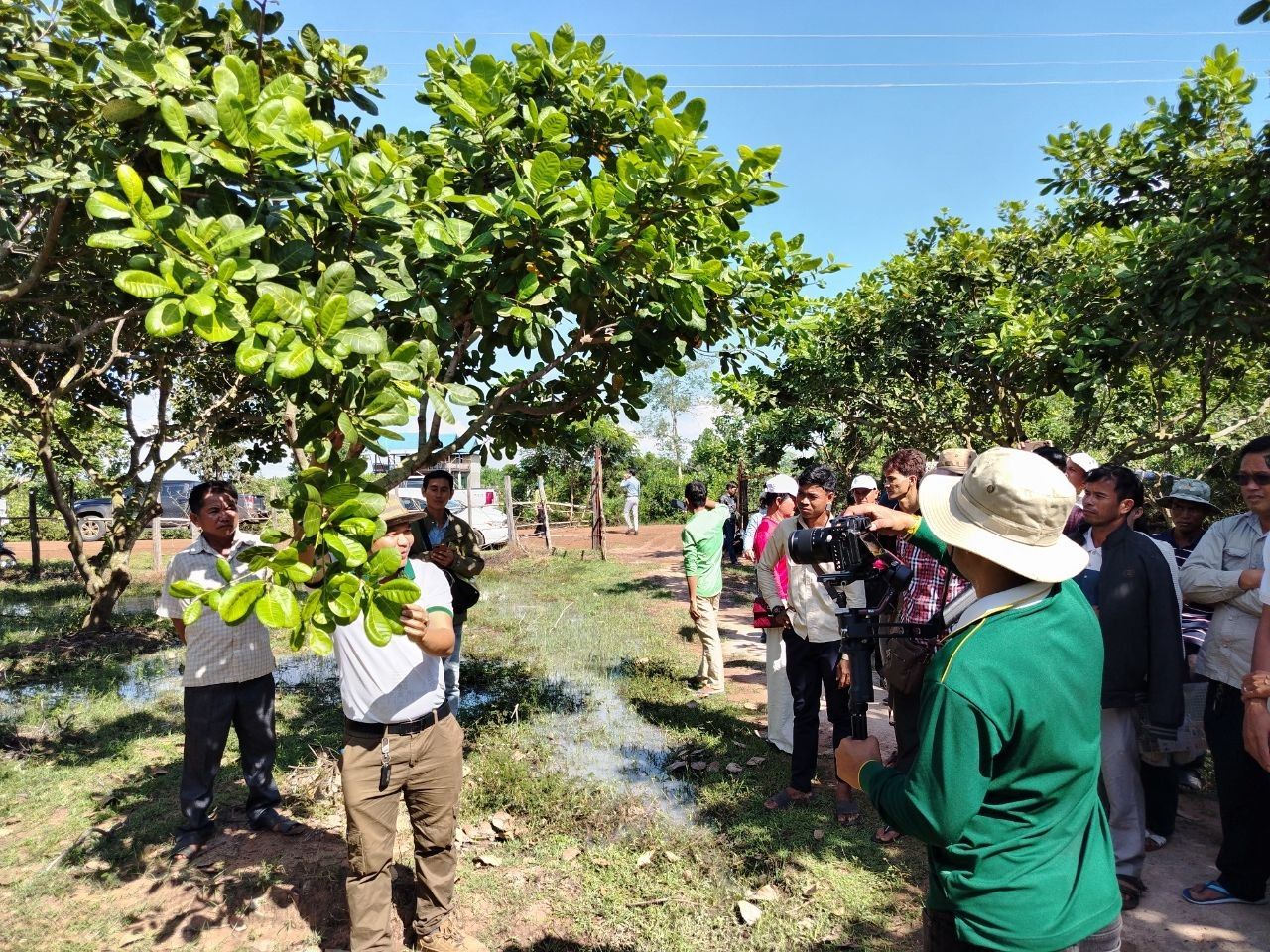
To reinforce the classroom sessions, participants visited a commercial cashew plantation approximately seven kilometres from the training venue. The field visit allowed farmers to observe the practical use of orchard machinery for timely crop protection and pest and disease management.
In addition, farmers received hands-on training in producing liquid organic foliar fertilizers, including fish and seaweed fertilizers, using HEM Master as an activator. The practice encourages farmers to produce their own agricultural inputs, reduce reliance on costly commercial products, and adopt more sustainable cultivation methods.
Through this collaborative initiative, CAC, PIKT, and Angkor Green Company aim to strengthen farmers’ technical knowledge and practical skills while promoting cost-effective, climate-resilient cashew production. The training supports broader efforts to improve productivity, maintain nut quality, and enhance the competitiveness and sustainability of Cambodia’s cashew industry.