CAC News
Paris, France— Cambodia’s growing raw cashew nut (RCN) exports are drawing attention from international market observers as Vietnamese processors diversify their sourcing options. However, industry representatives caution that Cambodia’s influence on African cashew prices should not be overstated, as market dynamics differ significantly across origins.
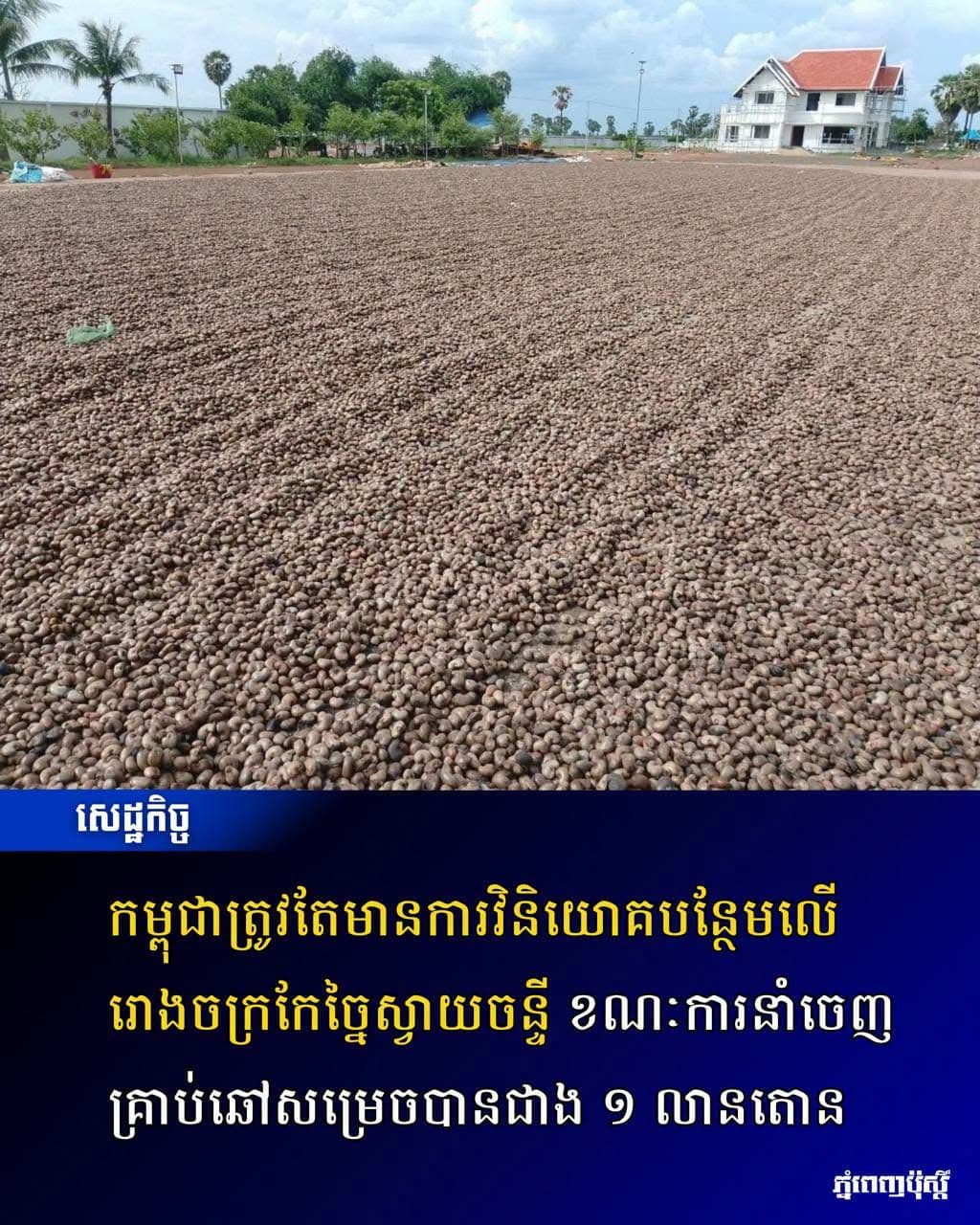
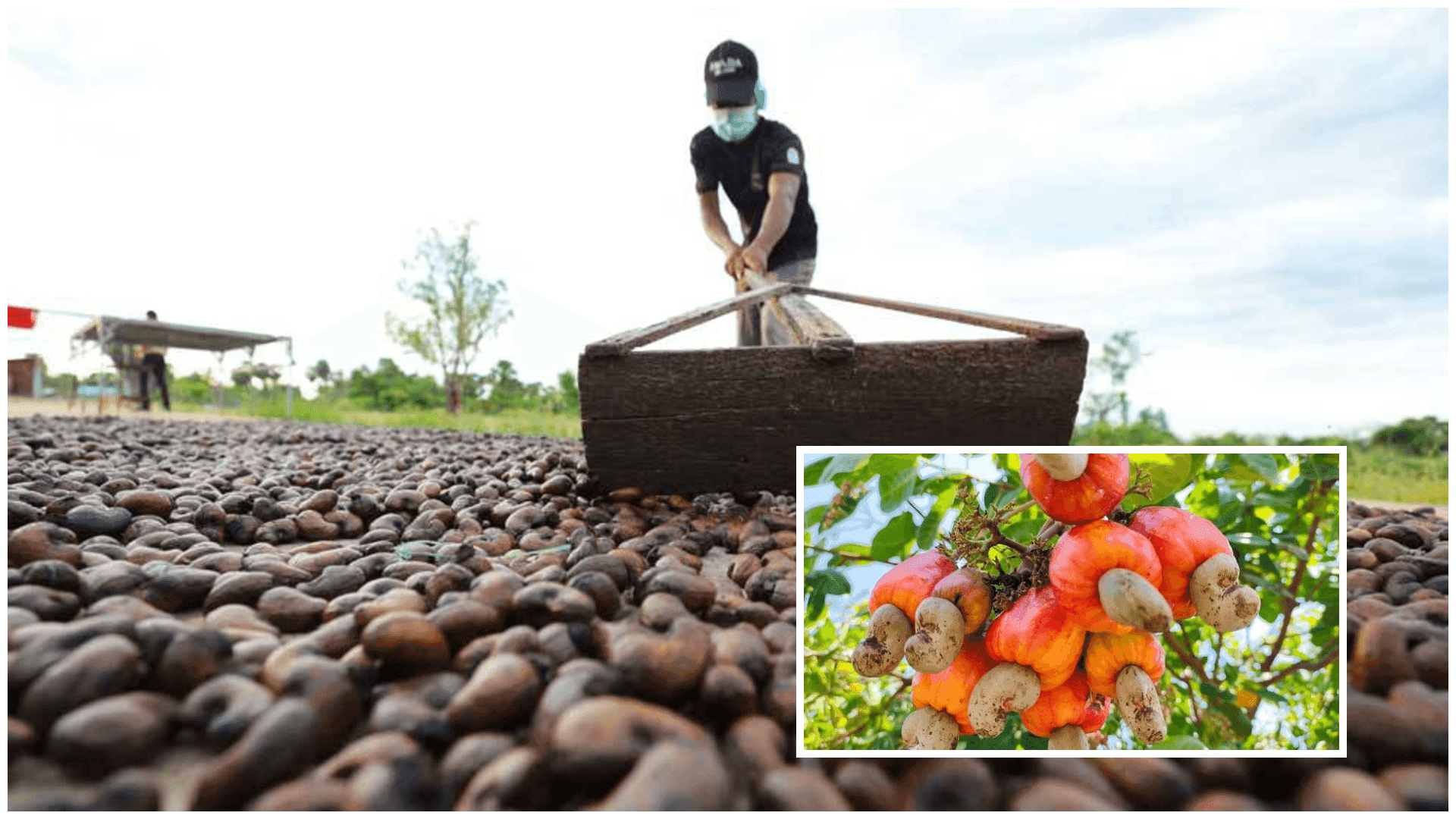
In the first half of 2026, Cambodia exported approximately 1.03 million metric tonnes of RCN, an increase of 28% year-on-year, with the overwhelming majority shipped to Vietnam. By mid-July, Cambodian RCN reportedly accounted for 54.2% of Vietnam’s RCN import volume, highlighting Cambodia’s importance as a nearby supplier to Vietnamese processors.
According to market analysis, abundant Cambodian supplies can give Vietnamese buyers greater flexibility when negotiating with African exporters, particularly regarding kernel outturn ratio (KOR), nut count and total landed costs. The analysis cited Nigeria’s May shipments to Vietnam, which fell to 49,507 tonnes, down 29% year-on-year, amid concerns that high Nigerian prices had made competing origins more attractive.
However, Cambodia’s influence varies throughout the year. By August, its share of Vietnam’s monthly RCN imports reportedly declined to approximately 8.8%, while Côte d’Ivoire, Nigeria, Ghana and Guinea became more prominent suppliers.
Attention is now turning to Tanzania, which produced 617,684 tonnes of cashew nuts in the 2025/26 season. The Cashewnut Board of Tanzania has set a production target of 750,000 tonnes for the current season. At the opening auction on October 12, only five lots reportedly traded at prices ranging from TZS 3,040 to TZS 3,310 per kilogram before a network disruption interrupted proceedings.
Ayideji Akindrinade, CEO of AGM Global, cautioned that the limited transactions were insufficient to establish a reliable market benchmark. Nevertheless, Tanzania’s upcoming auctions could influence the purchasing strategies of Indian and Vietnamese processors as they source African RCN in the fourth quarter.
Jim Fitzpatrick, Export Business Development and Market Intelligence specialist, challenged the analysis linking Cambodian supplies directly to Nigerian pricing, arguing that the two origins operate in substantially different price segments.
“This is incorrect analysis. Cambodian RCN is traded in a different stratosphere to Nigerian when it comes to price,” Fitzpatrick said, emphasizing that market analysis must consider more than price alone and should move beyond information supplied by traders.
Silot Uon, President of the Cashew Nut Association of Cambodia (CAC), explained that Vietnam remains the preferred destination for Cambodian RCN because of geographical proximity, convenient transportation, lower logistics costs and competitive purchasing prices.
He added that CAC’s unofficial market data broadly aligns with information from Vietnam, reflecting the close commercial relationship between Cambodia’s cashew-producing sector and Vietnamese processors.
The differing perspectives underscore the complexity of the international cashew trade. While Cambodia’s seasonal supply can influence Vietnamese purchasing decisions, African prices also depend on origin-specific quality, production costs, logistics, seasonal availability and competition among buyers.
For exporters and processors, understanding these interconnected factors is essential to assessing market opportunities and negotiating prices across the global cashew supply chain.